Product News | October 11, 2021

White Claw’s programmatic digital out-of-home campaign drives 74% lift in purchase consideration for vodka launch

Following its major growth after entering the hard seltzer market in 2016, global alcohol brand White Claw now holds over 50% U.S. market share in the category. 

Created and manufactured under the Mark Anthony Group, the brand’s popularity surged with the release of White Claw Original, quickly becoming a favourite among millennials and young adults. It later expanded its offerings to include various hard seltzer and hard iced tea products like White Claw Surf™, White Claw Surge™, and White Claw Iced Tea™. 

With a strong identity and loyal customer base, the brand sought to raise awareness for the launch of White Claw Spirits™ Premium Vodka, its first product in the spirits category. To do this, White Claw worked with agency partner Haworth Marketing + Media to run a programmatic digital out-of-home (pDOOH) campaign through Broadsign’s supply-side platform (SSP).

Objective & Strategy

Looking to drive impressions and sales, the DOOH campaign featured high-impact, high-energy ads starring actor and comedian JB Smoove. Made up of static and digital inventory, it was executed as part of the brand’s ‘Smooove Thoughts’ omnichannel campaign alongside other channels like online video, connected TV, paid social, and display.

The ads ran across major U.S. markets like NYC, LA, Chicago, Miami, Tampa, Dallas, Austin,  Atlanta, Las Vegas, Philadelphia, and Indianapolis. To reach legal drinking-age adults, especially Gen Z, Millennials, and Young Professionals aged 25-44, the brand strategically activated ads in key locations and venue types frequented by its target demographic.
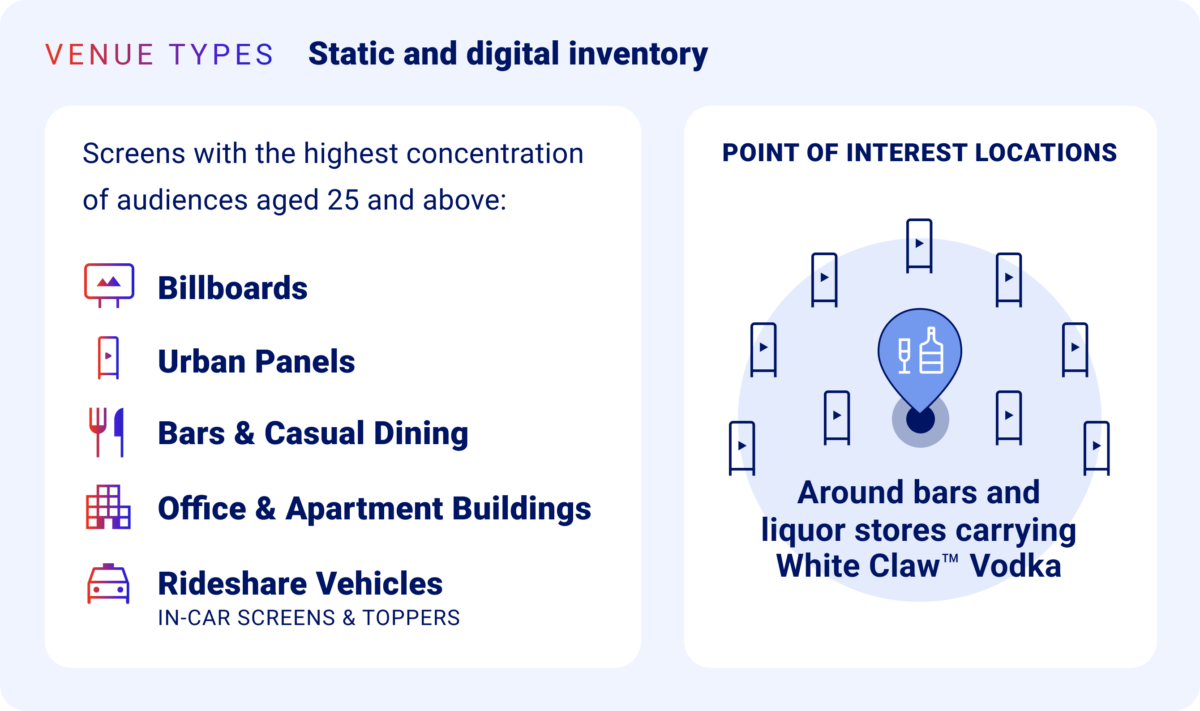
Employing contextual targeting, ads were placed in entertainment venues like bars and casual dining spots, as well as in office buildings, residential apartments, rideshare vehicles including in-car screens and toppers, and on outdoor billboards and urban panels. Additionally, screens with the highest concentration of audiences aged 25 and above were specifically chosen.
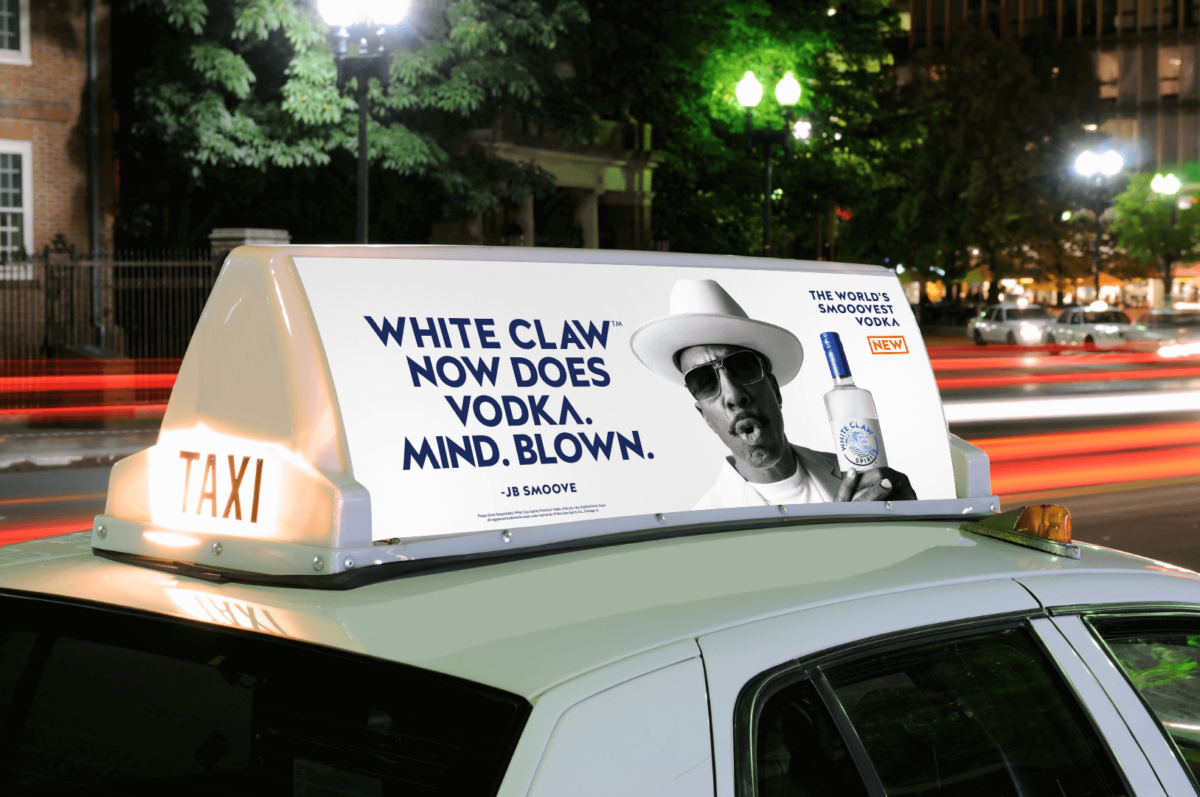
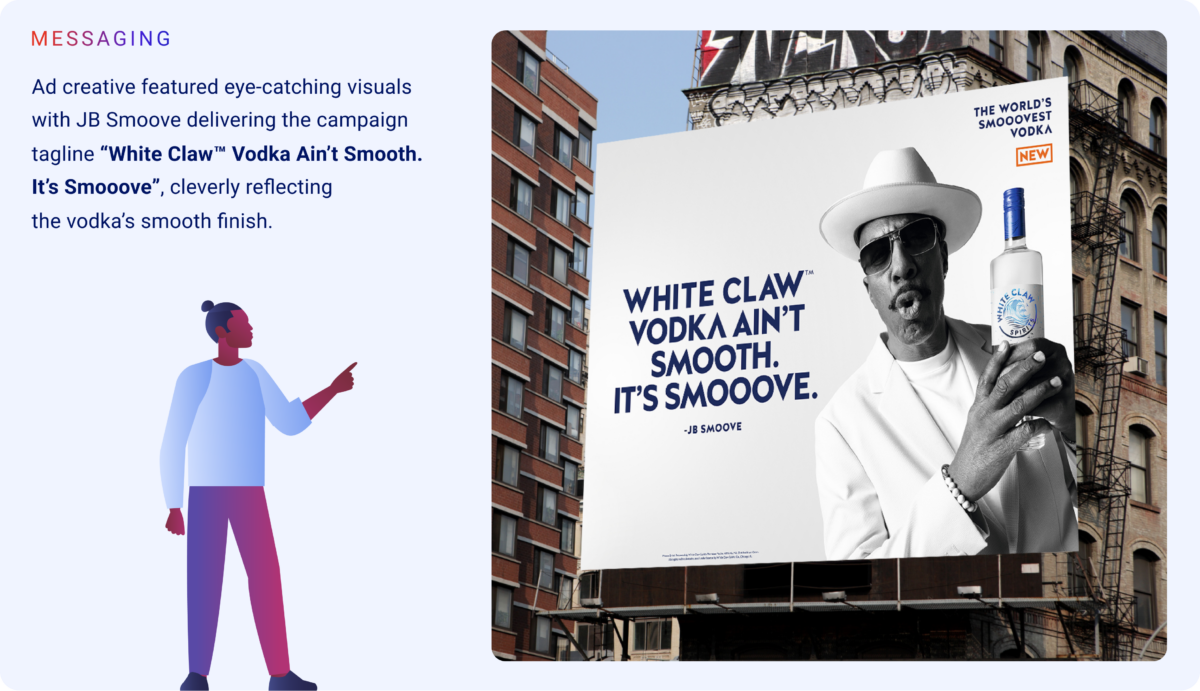
Point of interest locations were also included, with White Claw placing ads in a certain radius around bars and liquor stores that carry its vodka line. Ad creative featured eye-catching visuals with JB Smoove delivering the tagline “White Claw™ Vodka Ain’t Smooth. It’s Smooove”, cleverly reflecting the vodka’s smooth finish. 
Technology Partners

Broadsign leveraged its DOOH expertise to create detailed campaign proposals alongside Haworth, identifying audiences, locations, and other campaign parameters that were then uploaded and executed via an omnichannel DSP.

With the campaign set to run across multiple markets, the proposal included a comprehensive inventory list from several OOH media owners that aligned with the targeting specifications for each geographic area. Since each inventory line included screens from several media owners, operators at the DSP could select and upload curated packages of different environments and venue types, simplifying the campaign setup and cutting down the time it took to activate this complex campaign.

Device IDs exposed to programmatic OOH during the campaign were used as a retargeting audience for programmatic OLV/CTV tactics.

Results

Two brand lift studies were conducted in collaboration with Broadsign and Happydemics to measure the impact of the ads on recall, brand image, and intent. The first campaign flight ran during a four-week period in the summer, from July 12th through August 13th, 2023. The second flight was during the winter campaign from November 20th through December 17th, 2023.

Big impact on brand preference
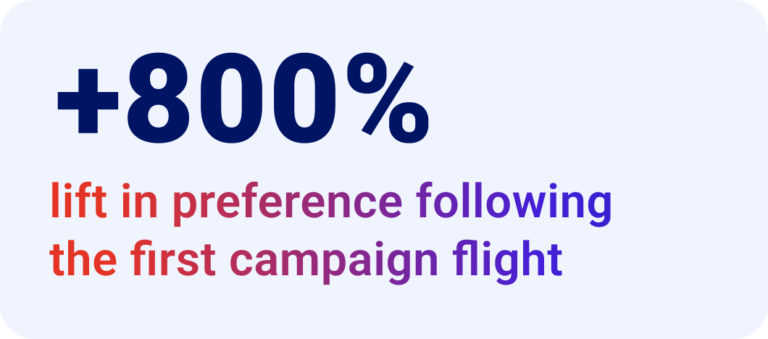
Being a new product at the beginning of the campaign, White Claw™ Vodka entered the market with a lower brand preference rating among consumers. Following the first campaign flight, the brand saw a +800% lift in preference, where nearly 10% of ad recallers said they preferred White Claw™ Vodka compared to just 1% of non-ad recallers. The upward trend continued during its winter campaign, with the product ranking as the second most preferred vodka amongst ad-recallers.

Strong ad recall rates
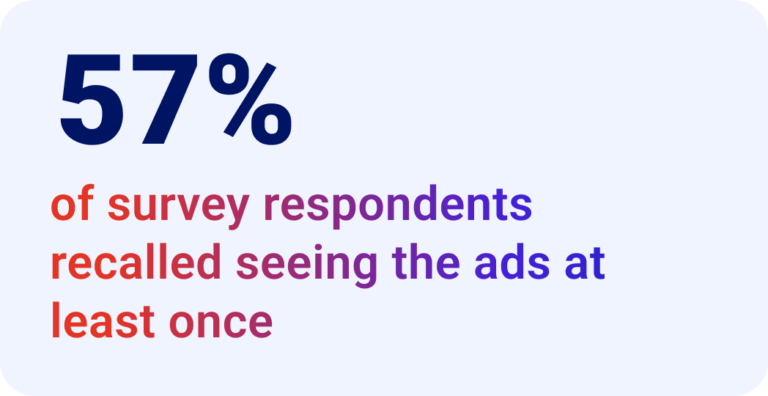
Repeated exposure drove a lasting impression among ad recallers, enhancing campaign effectiveness. The media mix included billboards and urban panels that resonated with the metropolitan crowd, resulting in over 84% of impressions. Other venue types, like office buildings, bars, and apartment buildings, rounded out the DOOH media, leading to 57% of survey respondents saying they saw the ads at least once.

Clear campaign attribution

Broadsign conducted two waves of research with Happydemics to track attribution. The brand’s summer campaign experienced a +33% uplift in attribution, where 44% of recallers could correctly identify the ads as referring to White Claw™ Vodka. With strong and clear messaging, the creative positioned the new product as a standout in the market, surpassing competitors by a considerable margin. The continuity of creative messaging across both summer and winter campaigns resulted in impressive outcomes for the new product launch.

Major boost in brand image and purchase consideration 

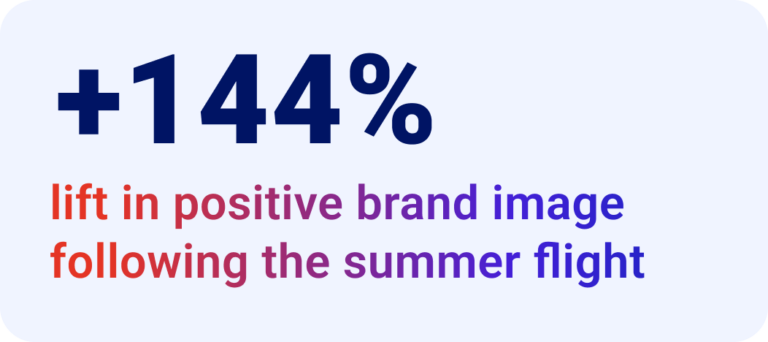
More than an awareness channel, White Claw’s campaign demonstrated that OOH advertising positively influences brand image and purchase consideration. The summer flight resulted in a +144% lift in positive brand image, while the winter delivery elevated positive impressions with a +100% lift, proving audiences didn’t just remember the campaign – they liked what they saw. 
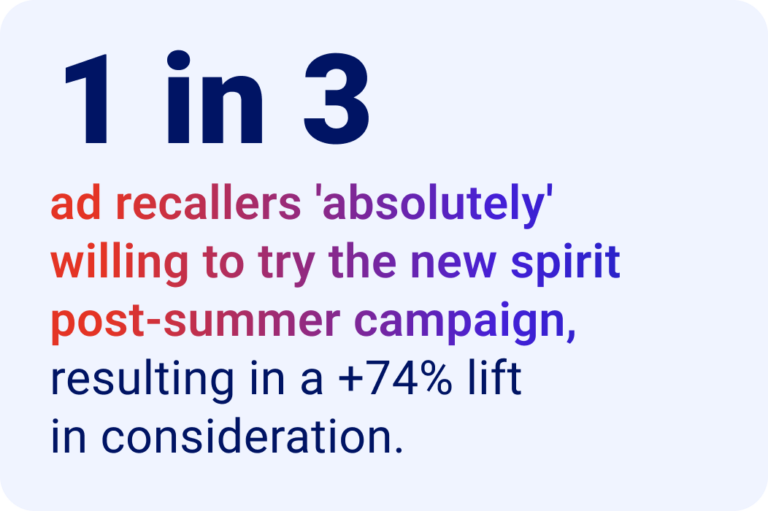
The brand was highly successful when it came to driving purchase consideration for White Claw™ Vodka: 1 in 3 ad recallers said they would ‘absolutely’ try its new spirit following the summer campaign. Overall, there was a +74% lift in consideration, where over half of ad recallers said they would consider trying the product compared to 31% of non-ad recallers. 
The winter campaign also moved the needle. Turning skeptics into potential buyers, results showed a 32% decrease in the ‘Not at All’ likely to consider category and a 13% decrease in the ‘Maybes,’ nudging fence-sitters and building momentum to try the new vodka product. The staggering 119% increase in the ‘Absolutely’ category proved OOH’s success in creating solid, committed White Claw™ Vodka enthusiasts.

Overall, White Claw’s campaign resulted in a bold OOH delivery that made a statement and caught audiences’ attention – a ‘smooove’ win for the brand. 
Want the campaign highlights? Download the case study below.

Download case study

Product News | October 11, 2021

A conversation with JB Hi-Fi: Why the future of in-store retail media is hyperphysical

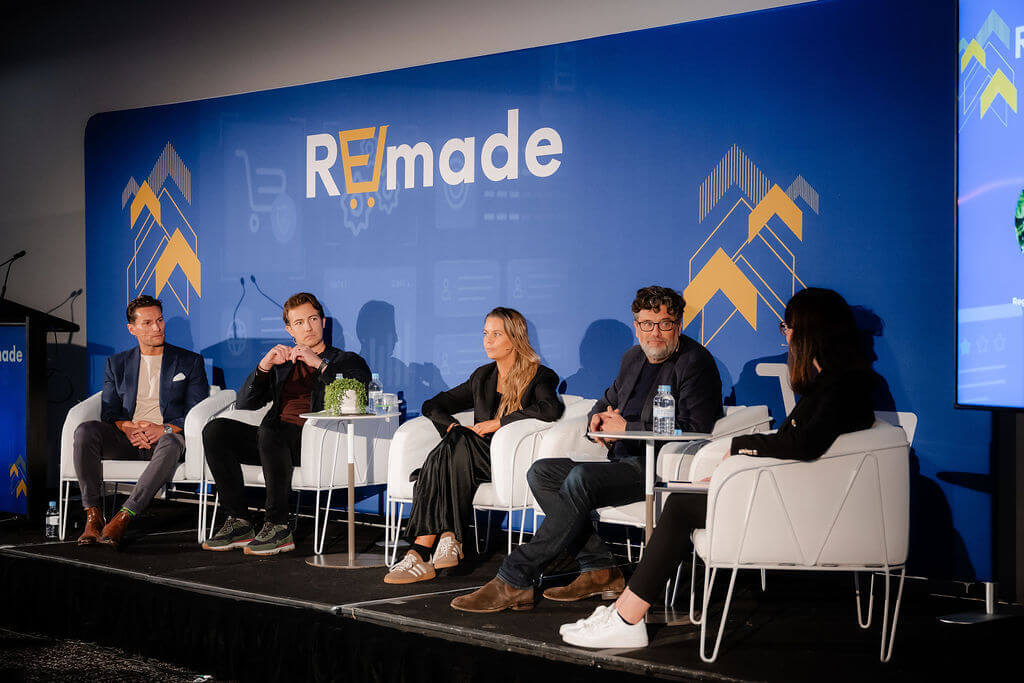
Panel discussion at Mumbrella REmade 2026, with five speakers seated on stage in front of a blue REmade backdrop.

In-store retail media is moving beyond screens.

At Mumbrella’s REmade event in Australia this month, Broadsign joined JB Hi-Fi, a leading Australian consumer electronics retailer, Retail Media Works, a retail media consultancy, and Criteo, a global commerce media company, on stage to unpack what it takes to build a retail media network that connects the physical store with the wider shopper journey.

With more than 200 stores forming its retail media network, JB Hi-Fi is taking a distinctly “hyperphysical” approach, exploring how its stores can create value for shoppers, suppliers and advertisers while staying true to the experience that makes the retailer unique.

The conversation offered a look at where in-store retail media is heading, and more importantly, what retailers need to consider as they build and grow their networks.

Start with the shopper

For JB Hi-Fi, retail media starts with the store itself. Scott Browning, General Manager, Strategy & Insights at JB Hi-Fi, spoke about the role the physical store has always played in the brand and the importance of keeping the customer experience at the centre of its retail media strategy.

“The store has always been the face of the brand. The website is actually the hidden face of the brand because you actually don’t see it in the real world until you arrive.”

That perspective is central to how JB Hi-Fi approaches retail media. The opportunity isn’t simply to add advertising to an existing retail environment. It is to understand how media can work within that environment in a way that feels natural to the shopper and stays true to the brand. 

As Scott put it: “The way in which we position our brand, the way in which JB Hi-Fi is famous for what it does, we have to make sure that authenticity still comes through.”

That means thinking about the store as more than a collection of screens. It is a physical environment with its own customer journey, context and moments where media can add value. For JB Hi-Fi, retail media needs to build on that experience, not compete with it.

The screen is only the starting point

One of the key themes from the discussion was that creating an in-store media network requires more than installing digital screens. As Ben Allman, VP Platform Sales at Broadsign, explained, the physical screen itself doesn’t necessarily need to change. What changes is what happens behind it.

For a retailer operating hundreds of stores, that means having the infrastructure to manage inventory, campaigns, priorities and reporting across the network, while also being able to tailor content and campaigns to different locations and audiences. All while supporting the day-to-day needs of the retail business.

For JB Hi-Fi, the Broadsign Platform provides the technology to manage its in-store media environment across more than 200 stores. This allows the retailer to build on its existing digital footprint and bring those screens into a broader retail media network, rather than treating retail media as a completely separate business.

Measurement is key to making in-store a media channel

Another major theme of the conversation was measurement. As in-store media continues to grow, retailers need to give advertisers greater visibility into what they’re buying and how their campaigns deliver. That means bringing more accountability and measurability that advertisers expect from other media channels into the physical store.

The panel discussed the opportunity to make the store increasingly behave like a digital environment from a measurement perspective, while recognizing that measuring physical environments comes with its own considerations.

For JB Hi-Fi, this is part of building a network that can offer meaningful value to suppliers and advertisers while creating a better understanding of how media performs within the shopping environment.

Retail media goes beyond digital screens

The conversation also expanded beyond digital signage. Static placements, physical store assets, sponsored search, online channels and off-site media can all play a role in the broader retail media ecosystem.

That creates an important opportunity for retailers: rather than defining their media network around a particular format, they can think about how different touchpoints work together across the shopper journey.

For JB Hi-Fi, its physical footprint is a significant part of that opportunity. The store can work alongside digital channels to create a more connected experience for shoppers and more opportunities for brands to engage them.

Build, test and learn

Perhaps one of the most practical takeaways from the discussion was that retail media networks don’t need to be built perfectly from day one.

The panel spoke about the importance of testing, learning what works in the physical environment and evolving the offering based on shopper and advertiser needs. That mindset is particularly important as retailers continue to establish what in-store retail media looks like within their own businesses. Every store environment is different, and the most effective approach needs to reflect the retailer, its shoppers and its commercial model.

JB Hi-Fi’s approach is a strong example of this in action: taking an established physical network and building the media capabilities around it, while continuing to learn and evolve.

Looking ahead to the next phase of in-store retail media

The conversation at REmade made one thing clear: the future of retail media isn’t about choosing between physical and digital. It’s about connecting the two.

JB Hi-Fi is showing what that can look like in practice by bringing its physical stores into a broader retail media strategy, while keeping the shopper experience at the centre.

For Broadsign, we’re proud to support that journey by providing the technology infrastructure behind JB Hi-Fi’s in-store network and helping bring its vision for retail media to life across its stores.

Interested in turning your in-store environment into a measurable media channel? Connect with our team to see how Broadsign helps retailers grow their in-store media networks while keeping the shopper experience front and centre.

Product News | October 11, 2021

Context Networks Selects Broadsign to Scale Contextual Advertising Across Display Networks

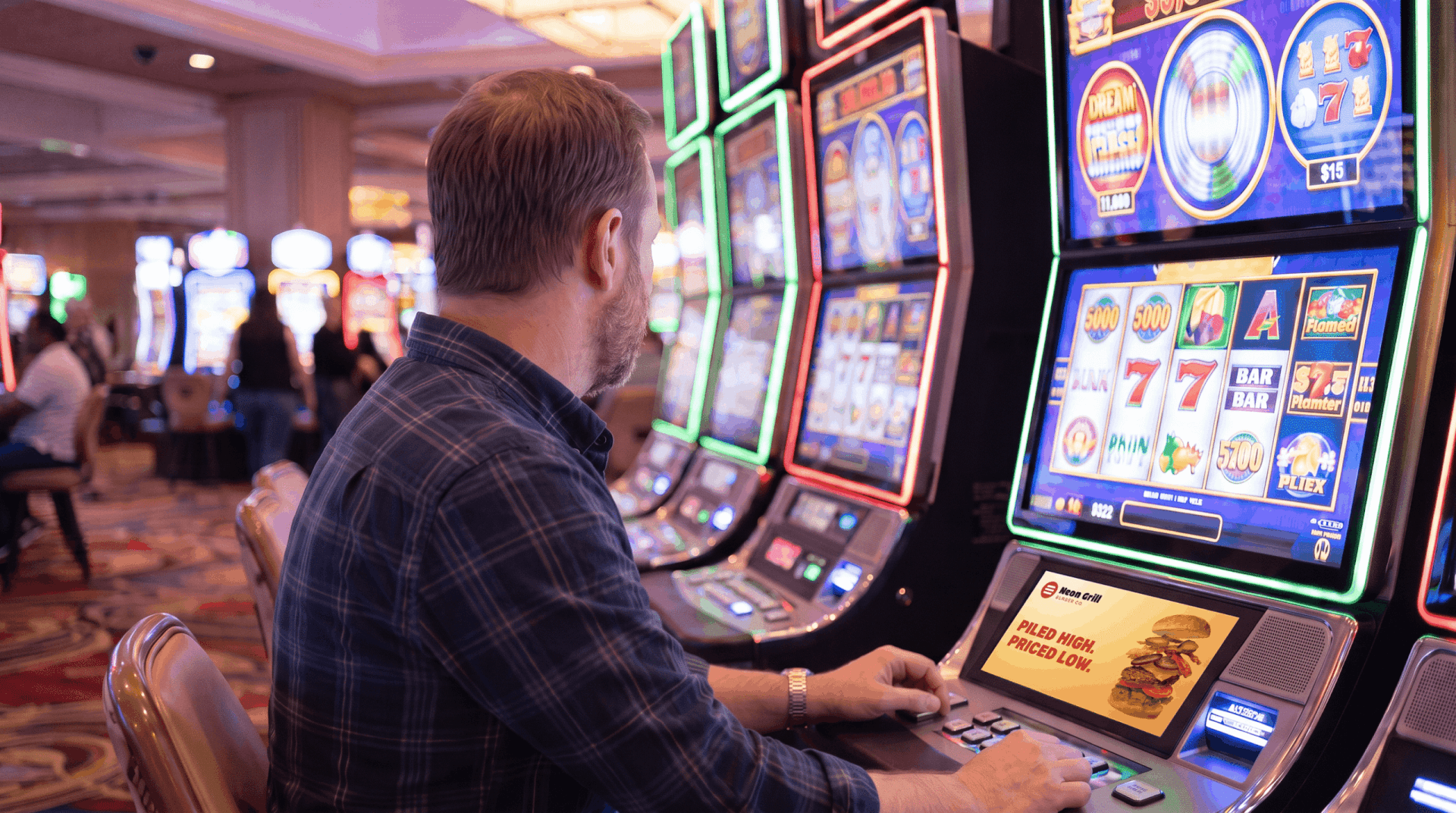
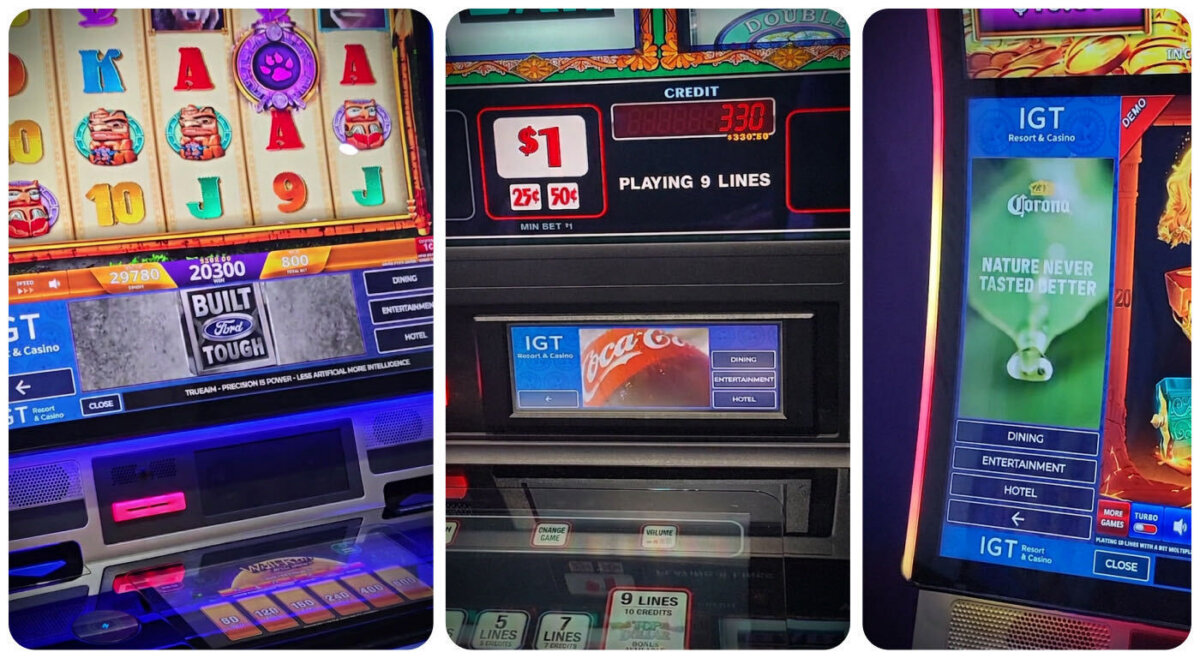
A person plays a slot machine in a casino, with a digital ad displayed on the machine’s lower screen.

Broadsign Platform to unlock programmatic demand and scalable OOH operations across Context Networks inventory, with gaming environments a launch focus ahead of G2E

LAS VEGAS, Nevada – September 24, 2026 – Context Networks, a contextual advertising and monetization platform for gaming and network digital display environments, today announced a collaboration with Broadsign, the leading global platform for managing and monetizing out-of-home (OOH) media, to support the next phase of growth of Context Networks’ Contextual Promotions Media Network™ (CPMN™). As a result, Context Networks now has a unified foundation for managing, delivering and monetizing screen-based media as the company expands across gaming and other controlled display environments.

Through the collaboration, Context Networks is connecting eligible CPMN™ inventory to the Broadsign Platform, the company’s complete, reliable Ad Server and Content Management System (CMS).  This will enable Context Networks to manage business-critical content and advertising across its network of displays as well as the Place Exchange supply-side platform (SSP), Broadsign’s programmatic digital out-of-home (DOOH) SSP. 

Context Networks brings contextual intelligence, a monetization model designed for controlled screen environments, specialized integrations, and operator and reseller relationships that can help extend Broadsign technology into non-traditional screen environments as the network grows. It introduces a differentiated source of digital inventory and vertical expertise for Broadsign in environments where customer attention, dwell time and operator-controlled screens create a distinctive media opportunity. Broadsign delivers enterprise network management, campaign automation, reporting and established programmatic demand connectivity.

While gaming is Context Networks’ immediate launch focus ahead of Global Gaming Expo (G2E), taking place September 28 through October 1 at The Venetian Expo in Las Vegas, the collaboration is designed to support its broader display network strategy. Context Networks’ business model extends beyond casino floors to operator-controlled environments that include distributed gaming, ATMs, kiosks, gift-card kiosk networks, digital faucets, hotel concierge apps and other connected screens. 

The company’s current footprint spans 14 states and 23 designated market areas, with advertising and operator-owned content already running in distributed gaming environments. Broadsign provides Context Networks with a more scalable way to onboard additional screen networks and reseller partners while maintaining consistent campaign logic, delivery and reporting.

“Broadsign gives us a proven infrastructure to scale our model without losing what makes it valuable: contextual relevance, operator control and measurable monetization,” said Matthew Olden, Founder, COO & Executive Chair of Context Networks. “Gaming is an important launch market for this work, but the underlying opportunity is broader. Across network digital display environments, operators already control valuable screens and audience relationships. Our job is to help turn those assets into new commercial value while giving advertisers a better way to reach qualified audiences in the moments and environments that matter.”

For operators and media owners, the combined model creates a path to turn existing digital displays into measurable new revenue without requiring them to build a separate advertising technology business. Operators retain governance over eligible inventory, campaign rules, house content and the customer experience, while CPMN™ creates a new commercial layer around screens and systems they already own or manage.

Brands and agencies can now access differentiated inventory in high-attention environments that traditional media plans might miss. Contextual signals can help align advertising with place, activity, timing and audience value, while the Broadsign Platform makes eligible inventory easier to access through familiar OOH and programmatic workflows. As a result, advertisers get a stronger contextual fit, more relevant delivery and clearer performance feedback.

“Context Networks is opening a compelling category of inventory that fits naturally with the continued evolution of out-of-home,” said Robert Loftus, VP of Platform Sales at Broadsign. “By connecting Context Networks’ operator relationships and specialized integrations with the Broadsign Platform and Place Exchange SSP, we can help make these screens easier for buyers to access while giving operators the control, transparency and flexibility they need to participate with confidence.”

Operator control is particularly important in gaming environments, where security, regulatory oversight, and operational continuity are central considerations. Rather than asking operators to introduce an isolated advertising stack, the Context Networks model uses established digital signage and programmatic infrastructure while preserving operator control over what appears on each participating screen. Existing promotions and operational content can continue to run alongside paid advertising based on rules set by the operator.

During G2E, Context Networks will demonstrate how the combined technology stack can connect gaming and other operator-controlled digital screens to the broader advertising ecosystem, while meeting with operators, integrators, resellers, advertisers and agencies about opportunities to activate new screen inventory.

About Broadsign

Broadsign develops the leading global platform for managing and monetizing out-of-home (OOH) media. The company, which also operates Place Exchange by Broadsign, the largest independent SSP for Digital OOH, empowers media owners, media buyers, and retailers to harness the power and reach of out-of-home to connect with audiences in ways unlike any other advertising channel. More than 3 million static and digital signs along roadways and in airports, shopping malls, grocery and convenience stores, health clinics, transit systems, and more run on Broadsign. For more information, visit https://broadsign.com.

About Context Networks

Context Networks is a contextual advertising and monetization platform for gaming and network digital display environments, helping brands deliver more relevant, personalized messages in high-attention moments enabling operators to turn existing screens into measurable new revenue. By combining contextual intelligence, secure marketplace infrastructure, real-time buying, and operator-controlled delivery, Context makes emerging screen inventory easier to access, buy, measure, monetize, and scale. The result is a marketplace that helps advertisers improve campaign relevance and performance while helping operators create new commercial value without compromising the player or customer experience. For more information, visit https://www.contextnetworks.net.