Product News | October 11, 2021

Digital Signage in a New York Minute: An interview with Susie Zimber
Women In Tech
Susie Zimber

I asked Susie Zimber, National Account Executive at Zoom Media, to pick a lunch spot close to her office. Nestled in Murray Hill, she opted for a diner that would be quiet enough for me to record our conversation about all things digital. As we sipped our matzo ball soups, a perfect dish for the chilly day, the svelte blonde dressed in a black ensemble candidly explained why she is so passionate about the digital out-of-home space. Her polite yet nimble nature makes such an excitement infectious.

“At the start of my career, the out-of-home industry was all about static media, like billboards, bus shelters and coffee sleeves,” stated Susie, as she recalled wondering what would be next to keep clients interested and wanting to spend money in OOH versus other media formats. “I remember playing a game of lacrosse when suddenly the football field’s Jumbotron was activated, allowing everyone to see my player stats on the big screen. From then on, I thought digital would be the way of the future.”

Upon graduating with a major in Communications from Boston College, Susie moved to New York City to become an Ad Sales Assistant for Men’s Health Magazine. The daughter of a professional tennis player and talented athlete herself (Susie had a full college scholarship thanks to lacrosse) Susie was naturally drawn to the magazine’s content. While working at the publication, her interest in outdoor media was piqued by her boyfriend-turned-husband’s internship at Clear Channel Airports, leading her to accept a position at Zenith Media as an out-of-home buyer for brands such as Verizon.

Embracing a “young and fun industry” along with a work hard, play hard attitude, Susie took on an opportunity at Kinetic where she spent several years working with clients like DKNY, Chanel and American Express. Jumping from the agency to network side of the business, Susie stayed true to the fitness root of her career path by joining Outcast Fitness Network before taking her current role at Zoom Media. “I love working for Zoom because I’m selling something I believe in,” gushed Susie. “I am a target consumer myself, visiting health clubs in the morning or on my way home after work.”

Like many young professionals, Susie goes to the gym and supermarket after her day at the office, gets home late, eats dinner and goes to sleep. “What I watch on TV is DVR and while I still read magazines, I consume the rest of media online through my computer and mobile. Content is up-to-the minute, relevant and serves the urgency created by people who want something right when they need it. Everything is merging into digital – it can only go up from here.”

Susie’s inclination toward the combination of digital, health and fitness became even more apparent as she spoke about Zoom Cardio, a network of touchscreens that track gym-goers’ workouts. “Zoom Cardio engages people by allowing them to plan their playlists at home, watch on-demand programming and live TV at the gym. It even provides a virtual interactive option to, for example, run through the Grand Canyon as the treadmill mimics its terrain,” said Susie. “At the end of the day, we want to help consumers get through their workouts, achieve their goals and leave the health club feeling good.”

People working within the digital signage industry should feel good as well. Susie believes it is an exciting time to be in digital and advises everyone to stay in the game to see what occurs from constant technology advances. “Hold on,” she grinned, “it’s going to be a crazy ride”.

About Susie

Susie Zimber took a position at Zoom Media & Marketing in October of 2012.  She brought to Zoom a blended background of OOH sales and agency experience previously from Outcast Fitness, Kinetic WW and Zenith Media.  At the end of the day she understands the shared struggles of her agency partners and clients and knows how important it is to be a resource to those in need of her help and enjoys working alongside them to deliver the objectives of the campaign from start to completion.  2014 has already proven to be a big year for Zimber as she is already pacing beyond her sales goal as of March 15th!

Zimber is a graduate of Boston College with a BA degree in Communications.  She currently lives with her husband on the Upper East Side of Manhattan and enjoys going to the gym (of course!), running in Central Park, watching movies and hanging out with friends and family.
Product News | October 11, 2021

Why in-store retail media is essential to an omnichannel RMN strategy

Retail is no longer defined by individual channels, as consumers move seamlessly between digital and physical environments, they expect a connected, consistent experience at every touchpoint.

Omnichannel retail connects ecommerce, mobile, marketplaces, and physical stores into a single, seamless experience across the customer journey. Shoppers can browse on their phones, check local inventory, receive personalized offers, and complete purchases in-store with consistent pricing and messaging. For retailers, this means unifying customer experience, data, and operations to improve engagement, build loyalty, and drive efficiency.

With 80% of shopping still happening in-store, physical retail continues to play a central role across North America. Rather than just another channel, it acts as a high-impact environment that amplifies the entire retail media mix.

The evolving role of in-store in an omnichannel RMN

As retailers advance their omnichannel strategies, digital channels have taken the lead, driven by stronger targeting, measurement, and automation. At the same time, the physical store is evolving from a point of transaction into a critical moment where digital intent turns into real-world action.

This shift is reflected in retailer priorities, with 46% focused on enhancing omnichannel experiences and 36% investing in loyalty programs to deliver more personalized value, signalling a push to better align data, touchpoints, and customer interactions.

In-store environments sit closest to purchase, where messaging can directly influence decisions from discovery to conversion. Yet they often remain disconnected from broader retail media efforts, limiting true omnichannel alignment.

When fully integrated, in-store media strengthens the entire strategy. It reinforces digital messaging, creates a more consistent experience, and engages shoppers at the moments that matter most. By linking in-store environments with signals like online behaviour, purchase history, and audience data, retailers can move from isolated tactics to coordinated, full-funnel execution across onsite, offsite, and in-store.

Technology and data are transforming in-store media

Technology and data are transforming in-store media into a more measurable, responsive, and connected part of the retail media ecosystem. Real-time analytics enable retailers to adjust messaging, promotions, and placements based on live shopper behaviour, while dynamic content adapts to context like time of day, location, and audience signals.

Tools like dwell time analysis help identify high- and low-engagement zones, optimizing store layouts and improving both the customer experience and campaign performance. At the same time, more immersive formats, including touchscreens and augmented reality, are increasing engagement, turning stores into active media environments.

The real impact comes from how these capabilities are connected. By combining in-store signals with online behaviour, purchase history, and customer data, retailers can build a more complete view of the customer. This enables more precise targeting, stronger value for brand partners, and coordinated campaign execution across channels, while improving measurement and tying digital engagement to in-store outcomes.

In-store drives more RMN revenue

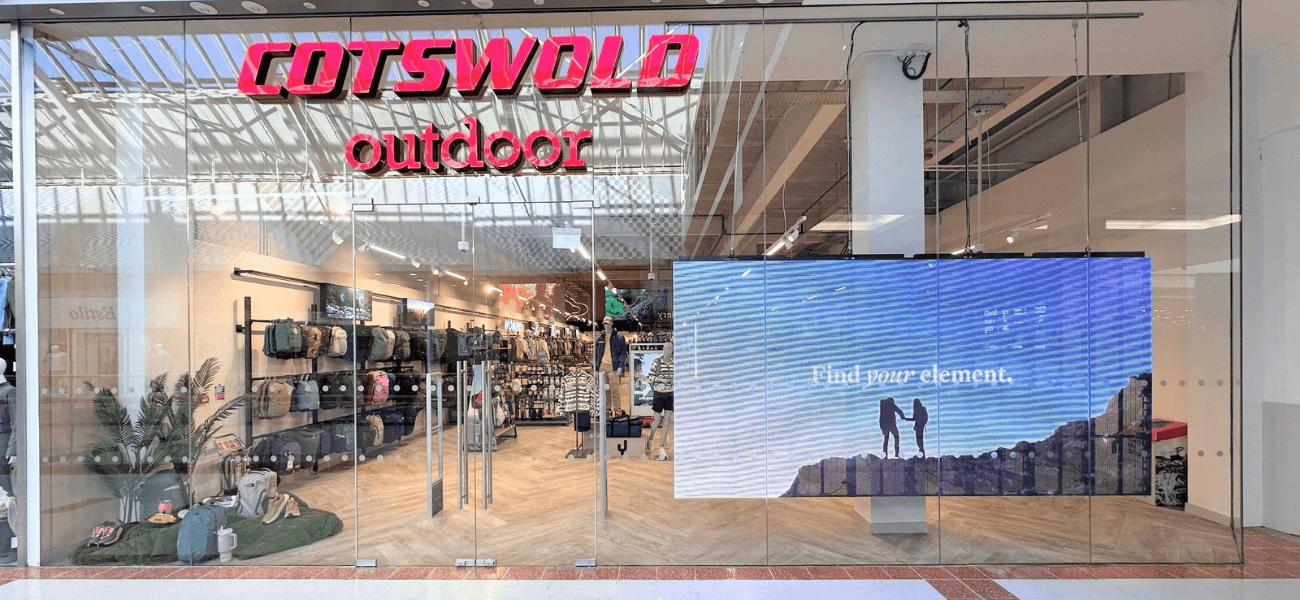
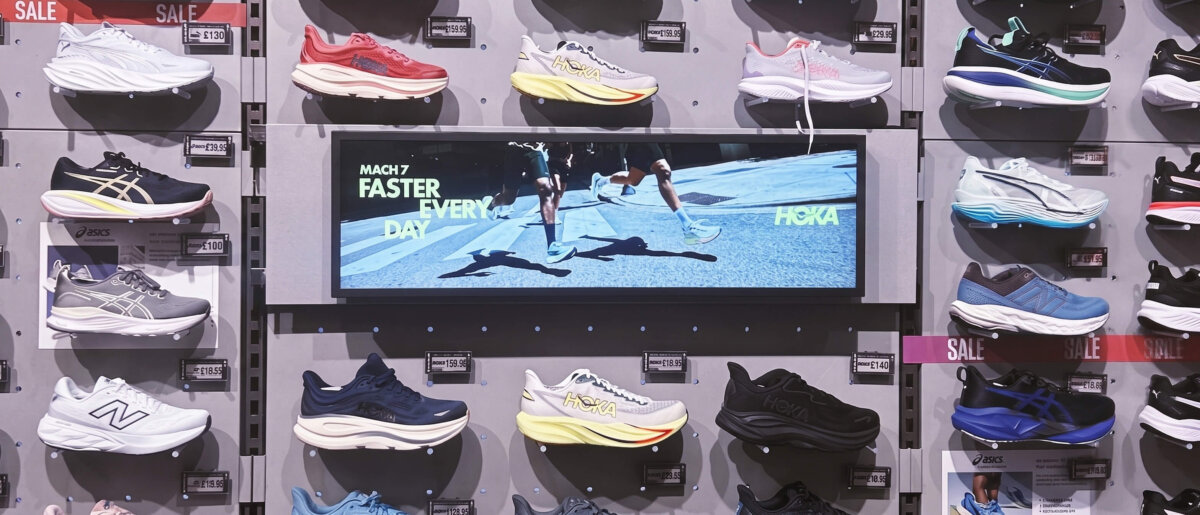
In-store media expands both what retailers can sell and how they sell it. It introduces new, high-intent inventory within owned environments, from digital screens in high-traffic areas to placements tied to specific aisles, categories, and products. Unlike traditional digital formats, this inventory sits at the point of decision, where budgets are often larger and tied more directly to sales outcomes.

It also enables more commercial, retailer-driven monetization models. Beyond standard ad placements, retailers can package sponsored product campaigns, category exclusivity, and seasonal takeovers that align with merchandising priorities. In-store media can also be used to drive private-label visibility, turning media into a lever for margin, not just ad revenue.

Where this becomes more powerful is in how it’s packaged. On its own, in-store is valuable. But when bundled with onsite and offsite media, it allows retailers to move from selling placements to selling outcomes. Campaigns can be positioned around influencing the full path to purchase, which supports larger, more strategic investments from brand partners.

It also changes the economics of measurement. With in-store in the mix, retailers can connect media exposure to actual transactions, strengthening closed-loop attribution and making performance easier to prove. This is increasingly critical as brands scrutinize retail media spend and shift budgets toward channels that demonstrate real impact.

Without in-store, RMNs risk becoming overly reliant on digital formats that are easier to compare and commoditize. With it, they can differentiate through exclusive access to shoppers, richer data, and the ability to influence and measure outcomes at the shelf.

Practical steps to activate in-store in an omnichannel strategy

Operationalizing in-store media within an omnichannel RMN requires the right foundation across data, infrastructure, and activation.

  • Invest in integrated data platforms: Consolidate in-store and digital data to create a unified customer view. Connecting in-store interactions, online behaviour, and purchase history supports better targeting, measurement, and planning, while aligning online, merchant, and retail media teams around shared performance.
  • Upgrade in-store media infrastructure: Ensure your store environment can support dynamic, scalable media. This includes deploying digital signage and screen networks that can deliver flexible, real-time content across locations and formats.
  • Implement advanced analytics tools: Use analytics to understand how shoppers move, engage, and convert in-store. Insights like dwell time, traffic patterns, and product interaction can inform both media strategy and store optimization.
  • Enable programmatic buying and activation: Integrate in-store inventory into programmatic workflows so buyers can plan, purchase, and activate campaigns alongside other channels. Retailers can activate specific parts of the store (like POS systems, vestibule screens, or gas pumps) to support programmatic demand without introducing competing or misaligned brands. This reduces friction while maintaining control over the in-store experience and aligning with how media is bought today.
  • Continuously monitor and optimize performance: Treat in-store media like any other performance channel. Track results in real time, measure against business outcomes, and refine campaigns based on what is driving engagement and sales.

In-store is the foundation of omnichannel

Omnichannel success depends on connecting every touchpoint into a single, cohesive system, including the store. The path forward is clear: treat in-store as media, not infrastructure. Integrate it into your retail media strategy, connect it to your data and buying workflows, and package it alongside digital channels. Retailers that do this will unlock new revenue, stronger performance, and a more differentiated offering.

Ready to make your in-store signage a seamless part of your RMN? Learn more about how Broadsign can help you unlock the full value of your in-store presence.