Product News | October 11, 2021

Retail Media In-Store Report: 4 key insights shaping RMN strategies in 2025
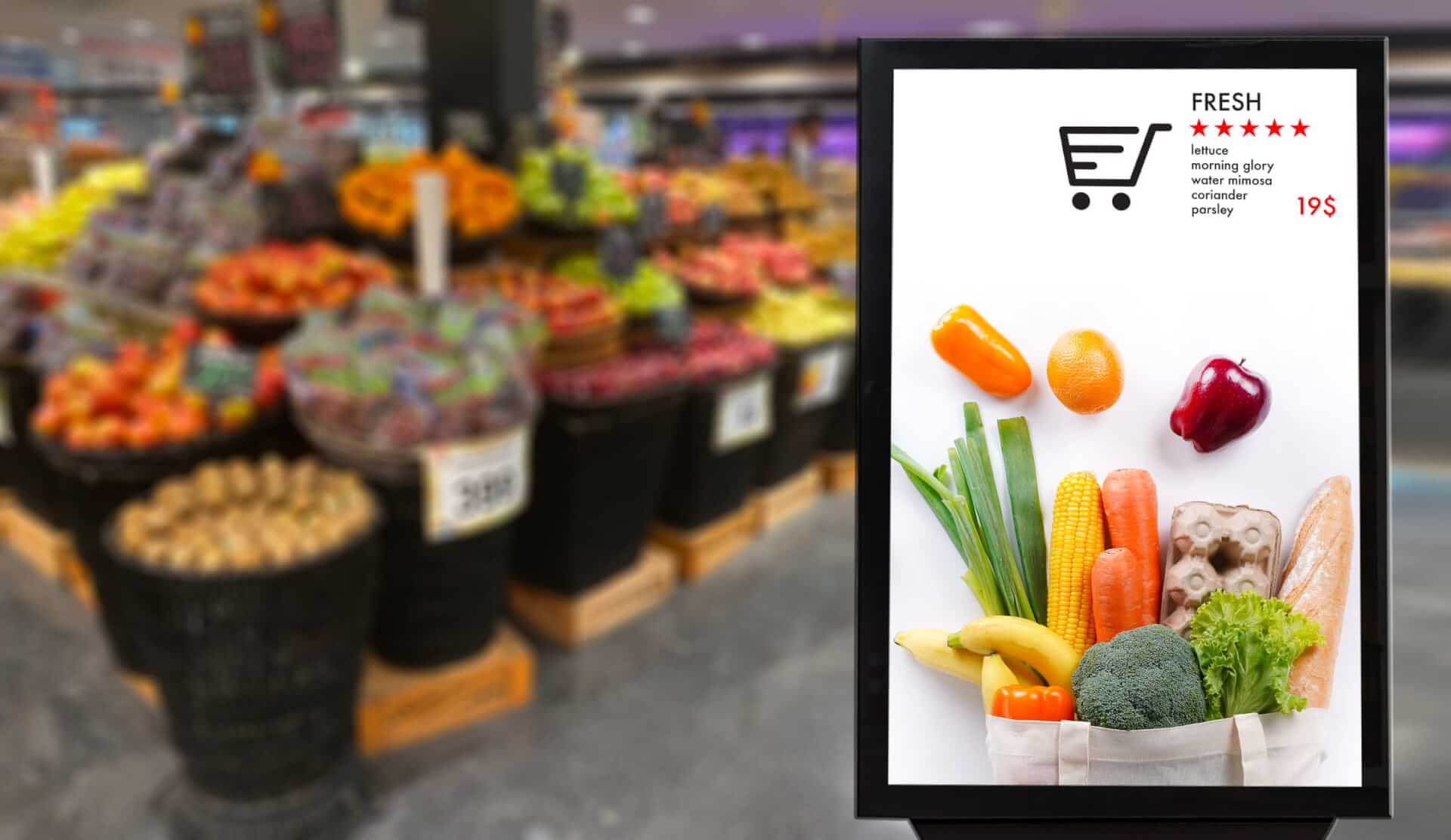
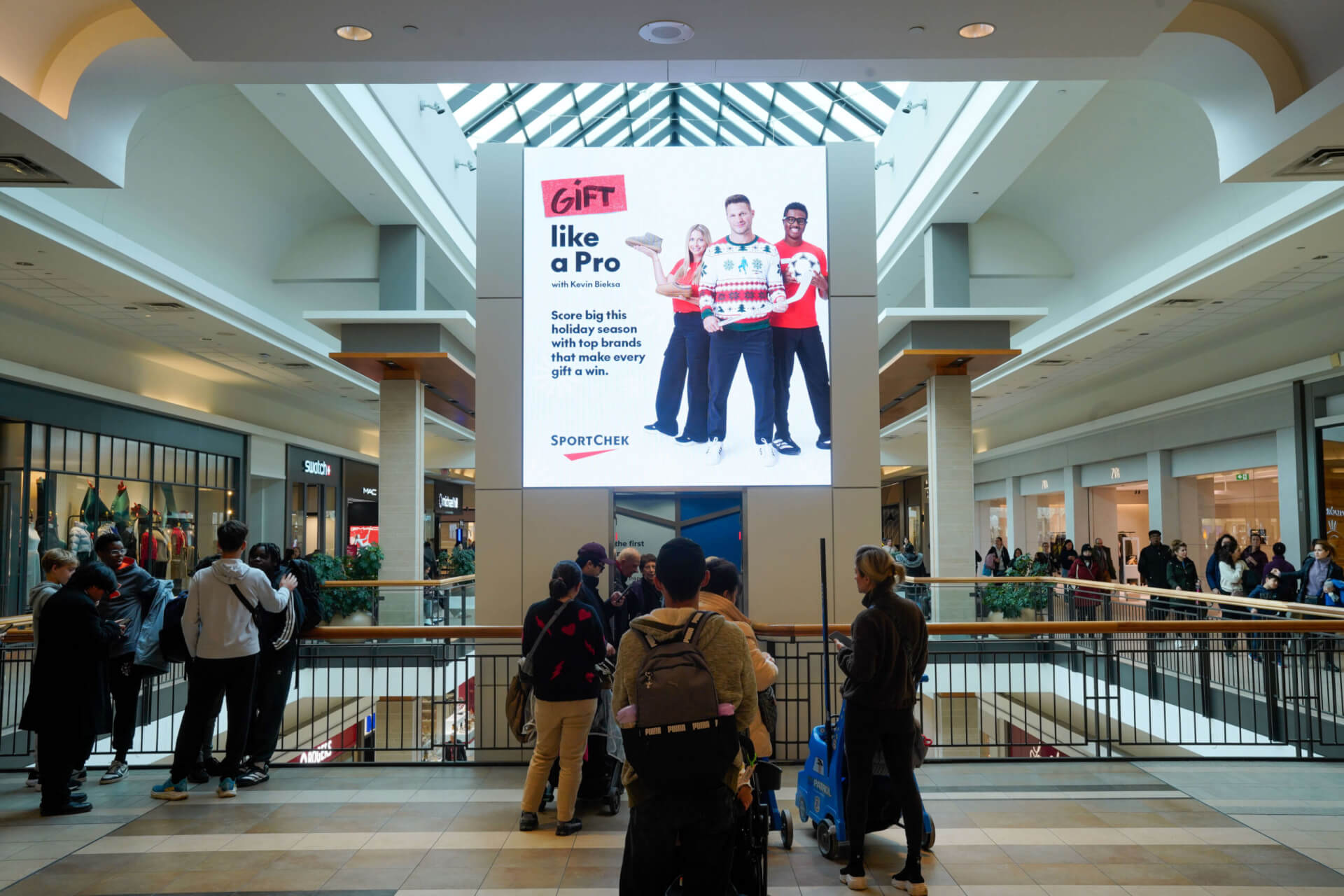
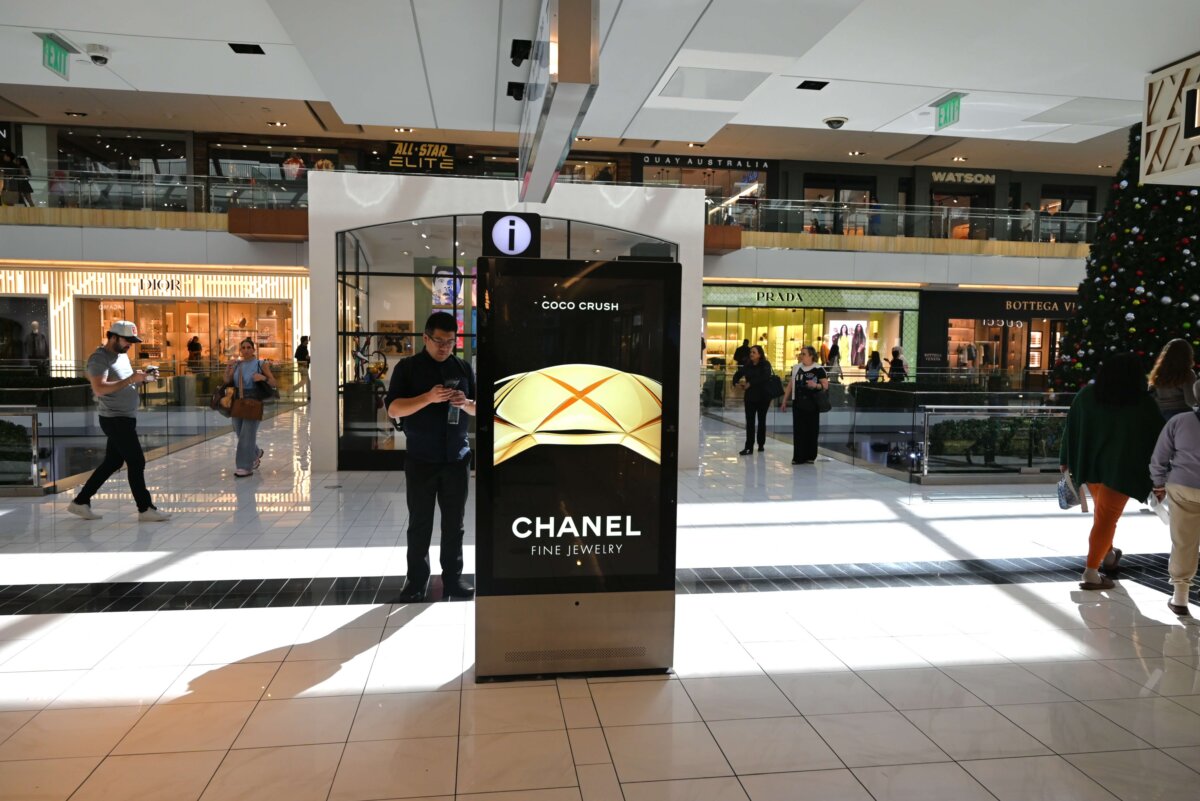
For retailers seeking fresh revenue streams, the next big play isn’t online: it’s in-store. As digital inventory becomes saturated and competition intensifies, forward-thinking players are expanding their retail media networks (RMNs) into the physical environment — where most purchases still happen — connecting digital and in-store touchpoints to influence shoppers at the exact moment of decision.

To better understand this shift, the Retail Media: In-Store Report 2025, authored by leading retail media expert Colin Lewis and produced in collaboration with Broadsign, examines how in-store channels are evolving, the commercial models shaping their growth, and the measurement advances helping to prove ROI.

The four takeaways below highlight some of the biggest insights from the report — from market momentum and technology adoption to omnichannel integration and the maturation of measurement. Together, they illustrate why in-store is poised to become the next frontier of retail media.

Key takeaways for retailers:

Takeaway #1: In-store is the next growth frontier

While onsite and offsite channels still dominate retail media spend, in-store is fast emerging as the next growth driver. Globally, retail media is projected to reach $169.6 billion this year, surpassing TV ad revenue for the first time. Yet despite its relatively small share today, in-store retail media is on track to hit $1 billion by 2028 as retailers scale their digital capabilities and advertisers embrace the channel’s unique advantages.

Grocery chains may have pioneered the space, but they’re no longer alone. Today, other industries are developing their own retail media networks and using their physical presence to capitalize on this shift. With the right media capabilities and commercial strategy, the in-store opportunity stretches far beyond grocery to include sectors like petrol and convenience, shopping centres, hotels, and hospitality.

The appeal is clear: in-store combines mass reach in a high-attention environment with the ability to influence purchase decisions and drive real-time conversions at the shelf.

“In-store will begin to emerge as the new TV — a mass-reach advertising vehicle ideal for brands. Digital surfaces deliver what brands want and what linear TV has lost: fast reach, high attentiveness, younger audiences, and cultural relevance.”
— Andrew Lipsman, Media Ads and Commerce, Retail Media: In-Store Report 2025

For retailers, that makes in-store an invaluable extension of their RMN. By monetizing previously untapped foot traffic, they can unlock new revenue streams while strengthening omnichannel shopper engagement.

READ ALSO: Why in-store media is essential for forward-thinking retail media strategies

Takeaway #2: Screens and tech are redefining the store

At the heart of in-store retail media are digital screens — from large-format video walls to shelf-edge screens and point-of-purchase (POP) displays — delivering dynamic, data-driven campaigns right at the point of decision. These screens can adapt content based on time of day, weather, or even local shopping behaviours, helping brands capture attention and influence basket size in real time

But screens are just the start. Retailers are experimenting with other technologies that add depth and interactivity to the shopper journey, including:

  • Smart carts equipped with built-in displays
  • QR codes that connect signage, demos, or packaging to digital content, loyalty apps, or online campaigns
  • Interactive kiosks for product lookups, recipe ideas, or coupon printing
  • AI-powered shelves that trigger promotions when stock runs low
  • AR-enabled mirrors for virtual try-ons
  • Bluetooth beacons that send personalized offers to shoppers’ phones

Traditional formats will also continue to play a role. Print signage, product sampling, and in-store audio remain effective ways to reach shoppers, but they’re being reimagined with digital elements layered in. For example, dynamic QR codes on posters, demo carts, or packaging can link to apps, loyalty perks, or campaign landing pages — turning otherwise static interactions into measurable, omnichannel experiences.

Leading retailers are already proving what’s possible. Tesco’s “Scan as You Shop” handheld devices double as ad platforms powered by loyalty data. Meanwhile, Walmart is ramping up in-store advertising through its 170,000 digital screens, store-wide radio network, and new weekend sampling stations. Advertisers can pair demo tables with QR codes that drive shoppers to online options, recipes, or seasonal content, while bundling campaigns across screens, audio, and physical activations to maximize the impact at the point of sale.
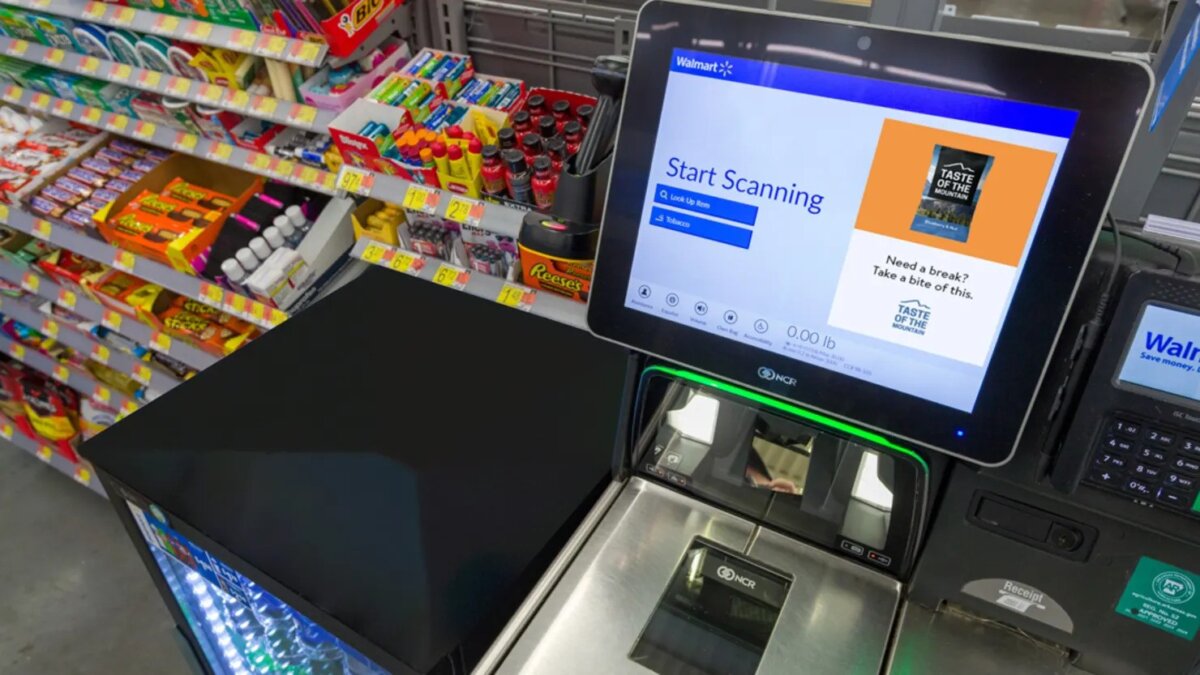
Walmart is expanding digital in-store advertising, offering brands placements on self-checkout screens to reach shoppers at the point of purchase. Photo: Walmart/CNBC

Together, these innovations are transforming physical stores into full-fledged digital media environments — and giving retailers a scalable foundation to grow their retail media networks beyond the confines of ecommerce.

READ ALSO: How to use digital signage to enhance the in-person shopping experience: Best practices & revenue-driving tips

Takeaway #3: Omnichannel integration is key

In-store media doesn’t exist in a vacuum — its real power comes when it’s connected with onsite and offsite channels as part of a seamlessly integrated RMN. When campaigns carry through from a retailer’s website or app into the physical store, brands can maintain consistent messaging and attribution across the full shopper journey, from brand awareness to purchase conversion.

In-store plays a role at every stage of the funnel:

  • Awareness: Strategically placed signage, displays, and demos act as discovery tools, especially for impulse or unplanned purchases. 
  • Consideration: Interactive kiosks and QR codes surface reviews, ratings, and tutorials to help customers evaluate products. 
  • Conversion: Digital displays, shelf talkers, and personalized mobile app push notifications can close the deal by offering time-sensitive promotions, bundling offers, or reminders of loyalty benefits. 

Strategic integration makes these moments even more powerful. As consumers move fluidly between online browsing, mobile researching, and physical shopping, in-store media becomes a central node for narrative and experiential cohesion:

  • On-site integration: Link in-store media to shopper data from ecommerce sites, apps, and loyalty programs to bridge physical and digital experiences. Integration can also flow the other way, extending in-store inventory visibility into online ads — surfacing an “Available now in your local store!” message when browsing online — or using digital receipts to deliver post-purchase content, cross-sells, and offers.
  • Offsite integration: Connect in-store campaigns with offsite media like social, search, and CTV to drive store visits and purchases. Geotargeted programmatic ads can be timed with in-store launches, while influencer content and localized social ads guide shoppers into physical stores.

Real-world examples show how this works in practice. Tesco has piloted dynamic shelf-edge screens that adjust pricing and promotions in real time based on stock levels, time of day, or shopper profile. And Sephora has reimagined the beauty aisle with digital touchpoints that bring product reviews and tutorials into the store, most notably through its “Store of the Future” pilots in Asia, which blend interactive displays with personalized consultations to create a seamless digital-physical shopping experience.
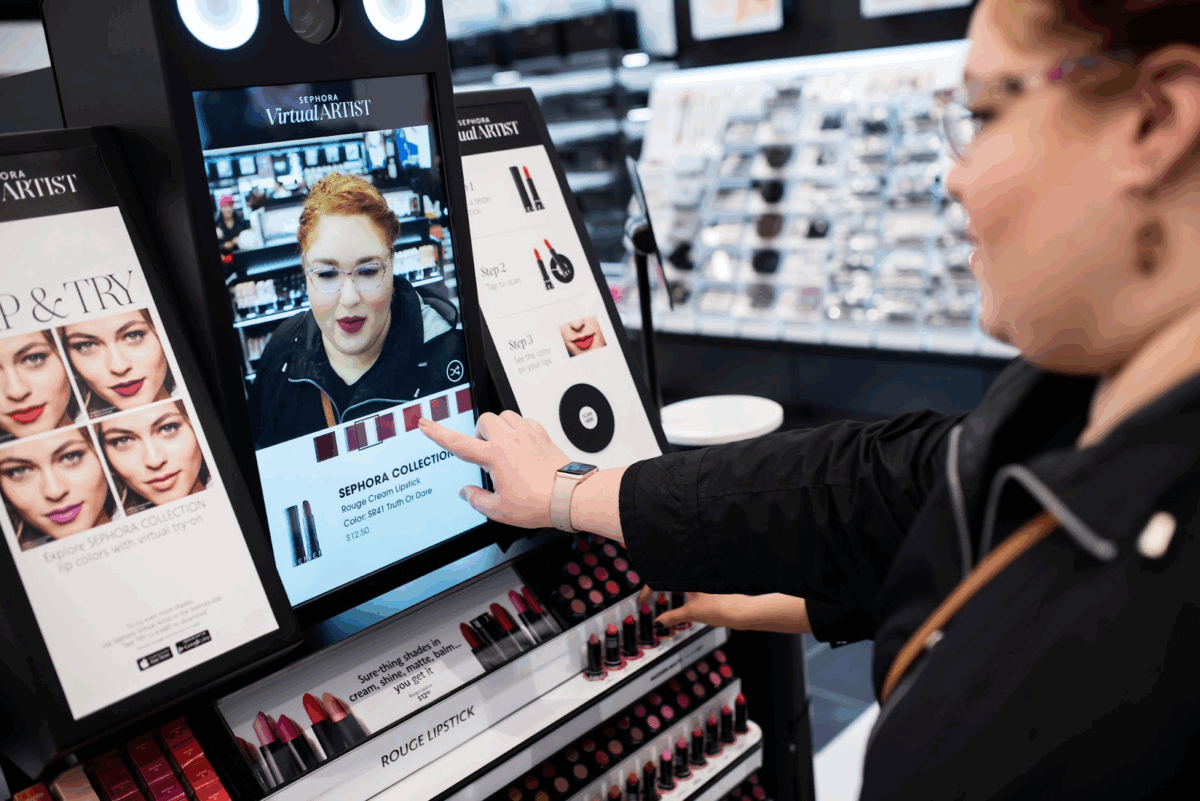
Sephora’s in-store kiosks extend its “Virtual Artist” app, letting shoppers try on products digitally for a personalized, interactive experience. Photo: Karsten Moran/The New York Times

READ ALSO: How to integrate in-store digital signage into your retail media network

Takeaway #4: Campaign measurement and commercial models are maturing

As retail media matures, advertisers expect the same accountability they’re used to from digital channels. It’s no longer enough to simply sell screen space — brands want evidence that in-store activations drive measurable results. For retailers, delivering credible, transparent measurement is essential to building trust and attracting repeat ad spend.

Industry-wide standards are starting to take shape. To bring more consistency and instill brands with greater confidence in directing marketing spend toward in-store campaigns, the Interactive Advertising Bureau (IAB) has introduced a set of standards that aim to provide unified definitions, measurement guidelines, and best practices for in-store retail media. While full standardization is still a work in progress, retailers don’t have to wait to start building credibility with advertisers.

While in-store retail media measurement is still developing, many best practices build on established digital out-of-home (DOOH) approaches. For a deeper dive into methodologies, see our guides on DOOH metrics, ROI measurement, and attribution.

At the same time, commercial models are evolving to meet different advertiser and campaign needs. In-store retail media is borrowing from digital and out-of-home playbooks but adapting them for the physical retail environment, where placements span digital screens, audio systems, shelf displays, and experiential zones. 

The choice of model shapes not only ROI for brands but also how retailers monetize their networks and structure long-term growth, with several common approaches taking shape:

  • CPM (cost per thousand impressions): Mirrors digital buying habits and works well for digital screens and audio, but relies on accurate impression tracking.
  • Tenancy or fixed placement: Predictable pricing for high-traffic placements or seasonal pushes, though less performance-driven.
  • Hybrid approaches: Blend fixed fees with added value like co-marketing, shopper insights, or data access.
  • Performance-based models: Tie costs directly to outcomes such as sales lift, with risk and reward shared between retailer and brand.
  • Sponsorships and experiential packages: High-impact brand-building plays, often tied to events or seasonal themes.

Each model suits different situations: new entrants may lean on performance-based or fixed-fee options to minimize risk, established CPGs often prefer tenancy or CPM for reliable visibility at scale, and premium or lifestyle brands may invest in sponsorships to build emotional resonance. However, the broader trend across the industry is toward hybrid models that pair fixed costs with measurable outcomes, supported by richer data and more sophisticated retail media networks.

READ ALSO: Turn your in-store screens into revenue machines: How to monetize data through retail digital signage

Start building your in-store retail media strategy

In-store retail media may have trailed online in the past, but it’s catching up fast. With shoppers’ attention at its peak inside stores and new technologies making campaigns more measurable and scalable, the channel has quickly shifted from underutilized to essential. Put simply, if you haven’t invested in in-store solutions yet, you’re already falling behind.

For retailers, it’s a chance to unlock stronger RMN revenue growth while deepening omnichannel engagement. For brands, it’s an opportunity to reach consumers at the exact moment of purchase. And for the industry at large, it’s a sign that the future of retail media won’t just be online — it will be in-store.

Want to dive deeper? Explore the full Retail Media In-Store Report 2025 or check out Broadsign’s resources on building a scalable in-store retail media network that can support long-term growth.
Product News | October 11, 2021

Meet Manuel Ameneiros, Broadsign’s Head of Media Sales and Service, LATAM

Out-of-home advertising across Latin America is gaining strong momentum, driven by expanding digital infrastructure, ongoing innovation, and growing demand from brands seeking high-impact audience reach. As the market evolves, there is a clear opportunity to bring greater efficiency, scale, and flexibility to how OOH is planned and transacted across the region.

To support this next phase of growth, Broadsign has appointed Manuel Ameneiros as Head of Media Sales & Service for LATAM. Based in Mexico City, he will focus on driving sustainable growth across the region while building a strong, scalable commercial foundation. This includes managing strategic relationships with agencies, advertisers, and media owners, and advancing market education as programmatic DOOH adoption continues to evolve.

Manuel brings over a decade of experience across the advertising ecosystem, spanning brand, agency, and adtech roles throughout LATAM. Most recently, he served as Chief Commercial Officer at OLA Media, where he focused on scaling revenue and driving market expansion. Earlier, he held roles across brands, agencies, and adtech companies, including Retargetly and Boletia, building expertise in data-driven marketing, programmatic adoption, and go-to-market strategy.

We caught up with Manuel to learn more about his background, what drew him to Broadsign, and his perspective on the opportunities ahead in LATAM.

Welcome to Broadsign. What drew you to the team, and what excites you most about your new role leading Media Sales & Service for LATAM?

I’ve always been drawn to the intersection of media, technology and data, and that’s exactly what makes this opportunity so compelling for me. Broadsign has built a strong reputation as one of the companies helping modernize OOH by giving media owners and advertisers the tools to plan, transact and scale more intelligently. What excited me most about joining the team is the chance to help accelerate that momentum across Latin America, a region where markets are evolving quickly and where there is real appreciation for innovation.

How would you describe the current state of the OOH market in Latin America, and where do you see the biggest growth opportunities?

The OOH market in Latin America is in a dynamic phase. It continues to benefit from strong reach and visibility, particularly in urban areas, but it’s also evolving quickly as digital infrastructure expands and advertisers demand more accountability and flexibility around their campaigns.

Having worked both in adtech and more recently in the OOH space, I’ve seen firsthand how the conversation is shifting from static inventory and broad reach to more data-driven planning, audience segmentation, and integration with digital channels.

The biggest opportunity lies in accelerating that transition. There is still a gap between DOOH’s potential and how it’s currently bought and sold in many markets. Bridging that gap through better data use, automation, and programmatic transactions is where much of the next wave of growth will come from.

Programmatic DOOH is gaining momentum globally. How is this evolving in Latin America, and what’s needed to accelerate adoption across the region?

Programmatic DOOH in Latin America is moving from early adoption into a growth stage. Buyers are looking for more flexibility, more precise activation, and easier connections between OOH and broader omnichannel campaigns. Media owners, in turn, are recognizing that programmatic can help open inventory to new demand sources, improve fill rate, and make digital assets easier to transact.

To accelerate adoption further, the region needs continued progress in a few areas: more digital inventory, stronger education across buyers and sellers, and better tools for targeting and measurement. 

What role do you see Broadsign playing in the future of OOH across LATAM, and what are you most excited to build or accomplish in the region over the next few years?

I see Broadsign as a key enabler of the next phase of growth for OOH in Latin America. The company is uniquely positioned because it operates across the entire ecosystem: a CMS, SSP and DSP, which allows it to support both media owners and buyers in a very holistic way.

For media owners, Broadsign can help modernize operations, increase efficiency, and open up new revenue streams. For advertisers and agencies, it simplifies access to OOH and makes it easier to integrate into omnichannel strategies.

What excites me most is the opportunity to help build a more connected, scalable, and performance-driven OOH ecosystem across LATAM. In practical terms, that means expanding programmatic adoption, strengthening relationships with key agencies and advertisers, and helping media owners unlock more value from their inventory. It’s also about making DOOH a more consistent part of media strategies rather than a complementary channel.

From a market perspective, Brazil and Mexico are critical due to their scale and level of sophistication, but I also see strong potential in Colombia, Chile and Argentina, as well as in emerging segments like mobility and retail media, which I’ve been closely involved with in recent years.

Product News | October 11, 2021

Broadsign partners with JB Hi-Fi to accelerate Retail Media Network

Retailer launches scalable in-store digital signage network to enhance customer experience and increase brand amplification opportunities

SYDNEY, April 22, 2026 –Broadsign announced that leading Australian consumer electronics retailer JB Hi-Fi is deploying the Broadsign Platform to build and scale its in-store retail media network (RMN), which spans over 200 stores across Australia. The technology will streamline operations, enabling JB Hi-Fi to seamlessly plan, execute, optimise, and measure in-store media and ad campaigns across locations from one central hub.  

With the Broadsign Platform providing real-time availability, intuitive ad serving, and robust campaign reporting out-of-the-box, JB Hi-Fi will be able to unlock impactful in-store opportunities and deliver measurable results across its network. An open API also allows JB Hi-Fi to integrate with its preferred retail systems, platforms, and processes, while still maintaining complete ownership and control over its network. 

“We’re seeing strong interest in retail media from advertisers and brands who want to reach local audiences where purchase intent is high. We already had the screens to deliver in-store, and now with Broadsign, we have access to the same advertising toolset that major media owners use, and the ability to scale,” explained Gary Siewert, Director of Marketing and e-commerce, JB Hi-Fi. “Broadsign’s open API has also proved more valuable, allowing us to select the partners we want to work with as we build our omnichannel RMN, such as Retail Media Works and Criteo.”  

“As Australia’s leading consumer electronics retailer, JB Hi-Fi is home to some of the world’s biggest brands. By partnering with best-in-class solutions such as Broadsign, JB Hi-Fi are not only maximising the potential of their retail media network, they’re setting the strongest possible foundation for themselves in an increasingly competitive space,” said Ben Allman, Regional VP of Platform Sales at Broadsign. 

For more information about Broadsign’s in-store media network offering, visit: https://broadsign.com/retail-digital-signage/

About Broadsign

Broadsign is the leading out-of-home (OOH) advertising technology platform, transforming how retailers, OOH media owners, and ad buyers reach and connect with audiences. More than 2.8 million static and digital signs along roadways and in shopping malls, grocery and convenience stores, airports, transit systems, and other OOH venues run on Broadsign. The Broadsign platform helps customers seamlessly plan, deliver, and optimize dynamic, data-driven in-store and OOH campaigns. 

Through Broadsign’s programmatic SSP, Place Exchange, and integrations with 50+ omnichannel and OOH DSPs, the company offers advertisers and media buying agencies the largest footprint of global OOH inventory, enabling them to intuitively execute guaranteed and non-guaranteed OOH campaigns across a variety of OOH formats. Interoperability with retail POS systems, loyalty programs, and omnichannel media platforms allows retailers to create engaging, measurable in-store experiences that tie into on- and off-site campaign strategies. https://broadsign.com/retail-digital-signage/

Product News | October 11, 2021

Why in-store retail media can’t scale without automation

Retail media is maturing quickly, with retailers building more sophisticated networks across onsite and offsite channels. In-store, one of the most valuable environments at the point of purchase, is now gaining momentum as the next area of focus.

While investment is increasing and screen networks continue to scale, in-store is still evolving from infrastructure into a fully realized media channel and hasn’t yet reached the same level of automation, measurement, and integration as other digital channels.

That gap is where automation comes in.

Automation has already reshaped how retail media campaigns are planned, bought, and optimized across digital environments. Bringing those same capabilities into in-store is the next step toward making it a seamless part of the media mix.

With the right foundations, automation can connect in-store with the broader ecosystem, enabling more efficient activation, stronger alignment in how in-store performance is measured, and a more unified retail media strategy.

The barriers to scaling in-store media

Retailers often believe they’re operating with automation, but in practice, it remains fragmented across channels and teams. While certain workflows like scheduling or couponing may be automated, they rarely connect to a unified system. At the same time, trade, shopper, and media teams continue to operate independently, each with its own objectives, budgets, and processes.

This fragmentation shows up in how campaigns are executed. Many in-store activations still rely on manual planning and static placements, with limited visibility into inventory and performance. In many cases, looped, time-based content remains the standard, restricting the ability to deliver more dynamic, contextually relevant messaging.

At the same time, expectations have shifted. Media buyers now expect real-time access to inventory, faster activation, and unified reporting across channels. As trade and media budgets begin to converge, so does the need for greater accountability and measurable outcomes. Without automation, in-store media can’t keep pace. Campaigns can’t be planned or optimized against outcomes like sales, reach, or incrementality, and the channel remains disconnected from broader retail media strategies.

The realities are becoming clear: manual operations can’t scale in a data-driven, outcome-based environment, breaking down silos requires connected systems rather than added processes, and meeting modern expectations for speed, flexibility, and measurement depends on automation.

What automation really means for in-store media

At its core, automation operates across three connected layers that shift in-store media from a manual channel to one that scales and delivers against defined outcomes.

  • Operational automation: Removes manual workflows from planning, booking, and scheduling. Instead of relying on time-intensive coordination and service layers, campaigns can be activated more efficiently and run at scale across networks.
  • Data and decisioning automation: By bringing in first-party signals like loyalty, transaction, and foot traffic data, campaigns can be informed by real performance inputs rather than assumptions. This also enables more dynamic delivery, where messaging can adapt based on factors like time of day, store inventory or shopper behaviour.
  • Commercial automation: Aligns in-store with broader media expectations. This includes centralized planning, unified reporting, and more consistent buying experiences across channels, making in-store easier to integrate into omnichannel strategies.

Today, many in-store networks remain entirely static, while others rely on manual playlist management and fixed placements, limiting both flexibility and performance. Automation changes that by enabling campaigns to be planned and optimized against outcomes like sales uplift, audience reach, or product-level goals.

Instead of deciding what plays on a screen and when, retailers can define what they want to achieve and allow automated systems to dynamically allocate inventory and optimize delivery based on real-time data.

Building a more connected retail media strategy

For retailers, the shift to automation doesn’t happen all at once. It starts with connecting existing capabilities to enable more streamlined execution and outcome-driven planning. Many already have strong foundations across in-store screens, data, and media operations, but these systems often operate independently. Prioritizing integration through APIs and shared workflows helps bring in-store into the broader retail media ecosystem without requiring a full rebuild.

From there, focus on making in-store inventory accessible within existing media-buying workflows, so campaigns can be planned alongside on- and off-site channels rather than treated separately. Additionally, data should be applied more intentionally. Using first-party signals like loyalty, transaction, and store traffic data enables more accurate targeting, optimization, and measurement, moving beyond proxy metrics.

Execution also needs to evolve. Shifting from manual placements to goal-based delivery allows campaigns to be optimized against outcomes like sales, reach, or product-level performance, rather than fixed schedules. Technology partners can support this shift by enabling automation, measurement, and optimization, while providing the visibility needed for performance tracking and attribution.

Finally, internal alignment is key. As trade and media budgets converge, aligning teams around shared outcomes ensures in-store media is planned and executed as part of a cohesive strategy.

In-store is no longer a future opportunity; it’s an immediate one. As retail media continues to evolve, automation will be key to turning in-store into a scalable, measurable, and fully integrated channel. Retailers that invest in connecting systems, data, and teams now will be best positioned to unlock their full value.

Ready to unlock the full value of your in-store media? Discover how Broadsign helps retailers automate execution, connect data, and drive measurable performance.