Product News | October 11, 2021

OOH ads drive awareness and action for sports betting

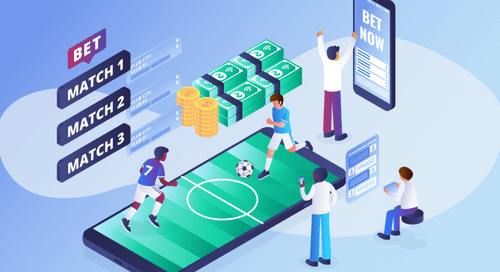
 Sports betting revenue is climbing as it becomes legal in more markets

Over 30 U.S. states have legalized sports betting as of 2022. Revenue for January-June 2022 totalled over $3 billion compared to $4.3 billion for all of 2021 and is expected to reach $7 billion by 2025, says Forbes. According to the OAAA, sports betting is also among the top 5 verticals for projected ad spend in 2023, driven by its legalization in more U.S. states. 

 U.S. consumers are engaging with OOH advertising around sports betting
Recent OAAA data found that 54% of U.S. consumers in cities of 1M+ have noticed OOH ads for sports betting and gambling, compared to 36% of the general population.

62% of U.S. consumers who saw ads for sports betting engaged in some way after seeing the OOH ads, with sharing information word-of-mouth being the most common engagement.

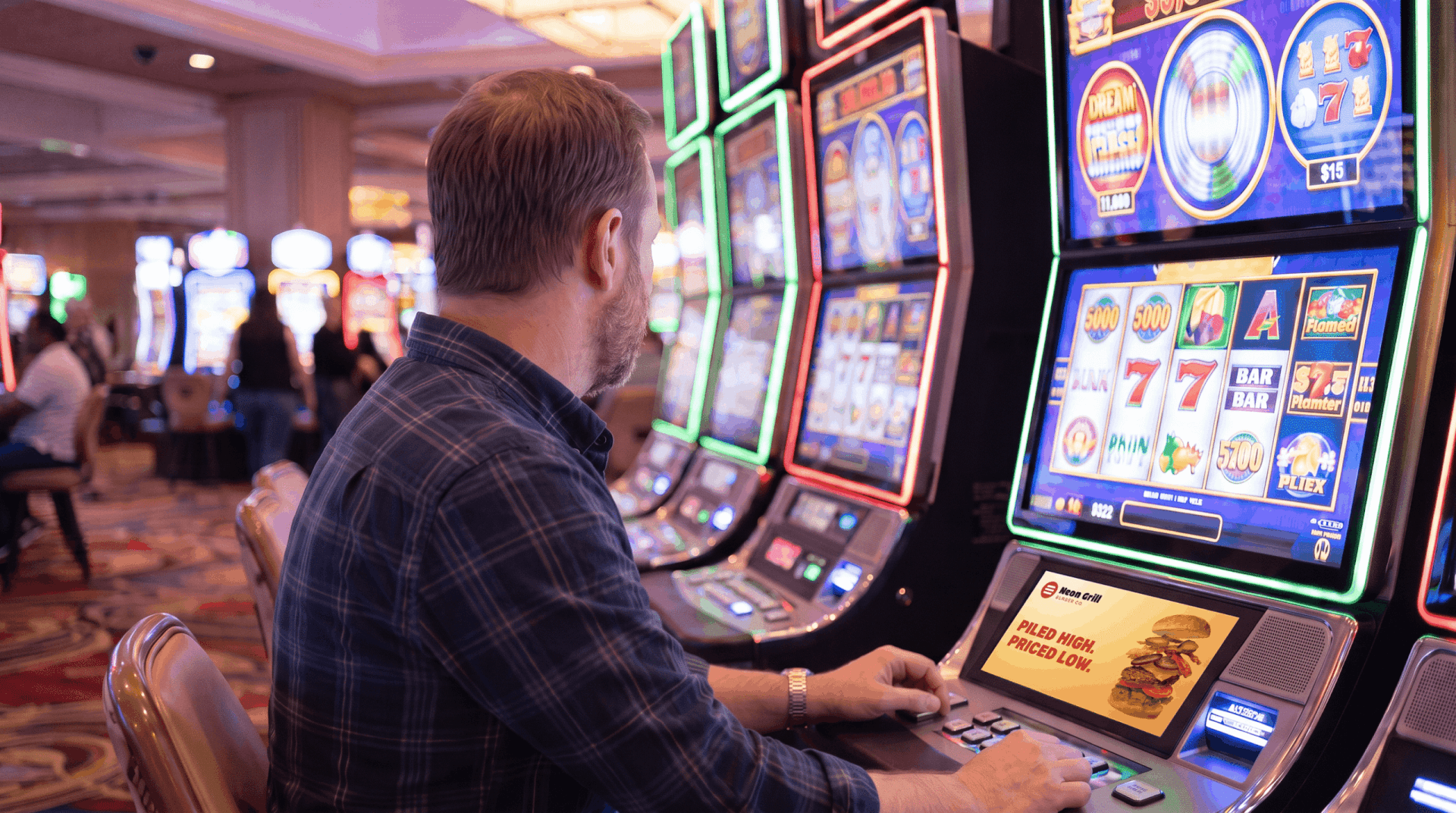
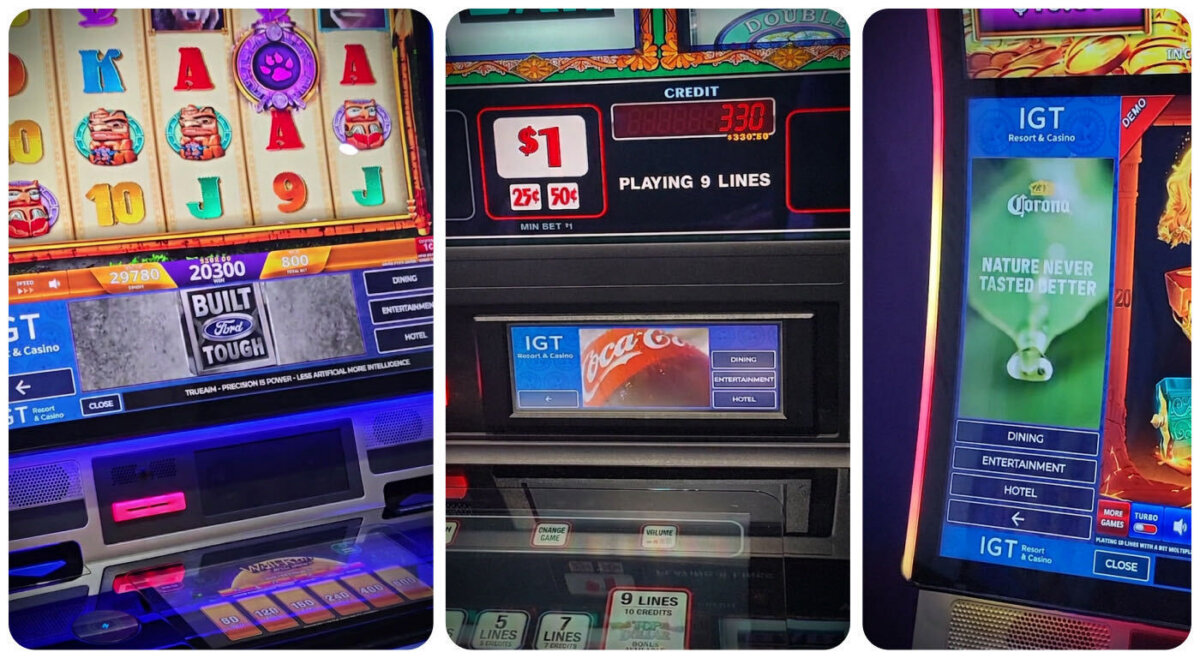
Check out our infographic for unique ways sports betting advertisers can leverage OOH to drive awareness for platforms, increase player bets and subscriptions, and boost omnichannel campaigns.

Product News | October 11, 2021

Best practices for high-impact out-of-home creative

The out-of-home (OOH) ads that stop people in their tracks, spark awareness, and drive action all share a common thread: they’re built on proven creative principles shaped by real-world testing and what works in today’s evolving OOH landscape.

Effective OOH creative relies on bold design, minimal text, and clear branding. But what works on a static highway billboard may not have the same impact on a digital out-of-home (DOOH) screen or a crowded subway platform at rush hour.

That’s what makes OOH unique. It reaches audiences as they move through real-world environments like airports, malls, roadways, and city centres across both static formats and dynamic, data-driven digital displays, offering far more creative flexibility than the medium often gets credit for.

This guide explores the OOH and DOOH creative strategies that consistently deliver results before you plan your next campaign.

OOH creative fundamentals

When developing the creative for an OOH ad, there are core principles to keep in mind.

  • Define your goals: What does the ad wish to accomplish? Is the aim to drive in-store traffic? Stand out from competitors? Remind existing customers of an ongoing promotion? A firm strategy narrows the focus and clarifies the message. 
  • Be bold: Most out-of-home ads have only seconds to reach audiences. When producing OOH or DOOH creative, employ boldness to stand out.
  • Keep it simple: A less-is-more approach is typically most effective. Messaging should be clear, direct, and to the point. 
  • Let brand personality shine: Use humour, surprise, intrigue, even edginess to amplify your message. 
  • Context is key: think about how your creative fits into its surroundings. Incorporating messaging that speaks to current events or relates to live data can boost performance and turn your ad from informative to innovative.

Think Design

Great OOH design is built for how people experience it. In fast-moving environments, you have seconds to make an impression, so clarity and visibility matter more than complexity.

At its core, effective design comes down to a few essentials:

  • High-contrast colours that cut through busy surroundings
  • Simple, focused layouts that are easy to process at a glance
  • Bold, recognizable imagery paired with clean, legible type
KFC’s bold, recognizable imagery makes this billboard instantly identifiable

Context matters just as much as design. What works on a roadside billboard viewed at speed won’t translate the same way to a street-level or place-based screen where dwell time is longer. Simpler creative performs better at a distance, while closer environments allow for more detail, as long as clarity isn’t compromised.

And while best practices exist for a reason, they are not rules. Intentionally breaking them can be just as effective when done with purpose.

Get the Specs Right

Even the strongest creative can fall flat if it is not built for the screen. OOH and DOOH formats vary widely across billboards, transit shelters, retail environments, and place-based networks, each with different dimensions, orientations, and file requirements.

A few fundamentals to keep in mind:

  • Design for both vertical and horizontal formats so layouts translate cleanly across environments
  • Stick to supported file types like JPG or PNG for static, and MP4 or HTML for digital placements
  • Keep file sizes within recommended limits to ensure smooth delivery and playback
  • Always build with the final screen size and placement in mind to avoid cropping or distortion

Below are some of the most common specs for digital and video displays in the US. 

Most Common Display Sizes:

  • 1920 x 1080
  • 1080 x 1920
  • 1400 x 400
  • 840 x 400

Most Common Video Sizes (15-Second):

  • 1920 x 1080
  • 1080 x 1920
  • 1400 x 400 
  • 1280 x 960

For more guidelines on proper format sizes, read our Best Practices Guide: How to create DOOH campaigns that get results

READ ALSO: Our favourite OOH and Billboard Ads of 2025

Let’s talk about text

It’s not just about what you’re saying, but how you’re saying it: typeface and formatting contribute to how the ad, and its messaging, are received. 

  • Large, bold typeface is easier for people to read, especially from a distance
  • Avoid thin or serif typefaces, which can be harder to read 
  • Proper spacing between letters, words, and lines will help improve readability and visibility
  • Keep the copy short and sweet, and limit messaging to five to seven words
  • Stick to one simple, direct message and call-to-action 
  Viewing Distance  Minimum Readable Text Height 
  5’ – 50’  1” – 2”   (72px – 144px @ 72dpi)
  50’ – 100’  2” – 4”   (144px – 288px @ 72dpi)
  100’ – 200’  4” – 8”   (288px – 576px @ 72dpi)
Virgin Active’s OOH display delivers big impact with minimal text

Video creatives

A recent study found that full-motion video OOH ads drive a 65% increase in “intent to learn more” compared to static creative, along with a 41% lift in perceived relevance, clear indicators of stronger audience consideration.

That’s why incorporating motion into your digital content is such a powerful way to capture attention. In most environments, videos should run no longer than 10-15 seconds; however, longer videos can be impactful for audiences in specific venue types with longer dwell times, like gyms, doctors’ offices, or bars.

Note: Place Exchange by Broadsign can seamlessly adapt social media and in-app vertical video creatives for portrait-mode screens, so you can get maximum value from a single video. 

Creating personalized and dynamic content

When vying for a consumer’s attention, optimizing a digital out-of-home campaign with Dynamic Creative Optimization (DCO) can be the x-factor in reaching target audiences. 

DCO means adjusting and optimizing DOOH ads for real-world contexts and environments, pulling data to deliver ads in response to current events or trends, such as the weather, sports scores, financial markets, audience profiles, or other nearby events or relevant information. 

With DCO, ads can deliver more personalized experiences and stronger audience relevance. In fact, according to the OAAA and The Harris Poll, 81% of respondents exposed to weather-triggered ads featuring relevant product offers found them valuable. Thinking about where your ad will live along the consumer’s journey, and in what context, is an opportunity to create a high-impact ad that resonates with your target audience. 

To create a high-impact ad, thread in creative that responds to live signals like time of day, weather, audience demographics or current events for a more targeted activation that reaches audiences at key moments.

Some ideas include:

  • Modify messaging based on relevant data inputs (e.g., weather, sports scores, etc.): Entice customers on rainy days to pop by for a warm cup of coffee, or advertise air conditioning units on extremely hot days, display sports scores during high-ticket events.
  • Schedule time-sensitive or product-specific promotions 
  • Incorporate daily countdowns for popular movies or big events with universal appeal 
McDonald’s weather-triggered OOH campaign in Qatar

Tracking and measurement

Knowing how your current campaign performs is crucial for planning the next. Use ID markers like QR codes, SMS messages, short-link URLs, hashtags, emails, or phone numbers to track and measure your ad’s performance. Adding a Call to Action (CTA) to your creatives can enable you to directly track “click-through” response to your OOH creative.

The winning formula for an out-of-home ad that gets noticed and delivers on ROI is to combine brand-safe creativity, outside-the-box thinking, and contextual relevance. With these OOH creative best practices in your toolkit, you can successfully create an ad that stands out.

Ready to launch a high-impact, creative out-of-home campaign that delivers results? Browse our inventory catalog to see the complete network of high-impact digital screens available. 

Product News | October 11, 2021

De’Longhi drives 121% lift in brand preference with programmatic DOOH

To strengthen its position as a leader in premium home coffee experiences, De’Longhi partnered with Broadsign to launch a programmatic digital out-of-home (pDOOH) campaign across Poland during the competitive holiday shopping season.

Objective

The campaign aimed to move audiences from brand awareness to purchase intent, positioning the Eletta Explore as the preferred choice for holiday gifting in a competitive retail landscape.

Strategy

In collaboration with agency partner Salestube PL, the campaign used the OutMoove DSP to activate premium pDOOH inventory across major Polish markets, focusing placements exclusively within high-traffic shopping mall environments.

Indoor screens in major shopping malls reached consumers in high-intent environments close to the point of purchase. By concentrating on mall inventory, including spectaculars, concourse screens, and food court displays, the campaign captured the attention of gift-seekers while they were actively browsing and shopping.

Dayparting aligned ad playouts with peak shopping hours, ensuring strong visibility during periods of elevated foot traffic throughout the holiday retail season.

Creative

The campaign featured cinematic video creative starring global brand ambassador Brad Pitt, accompanied by the localized copy: “To nie tylko idealny prezent. To Perfetto” (“It’s not just the perfect gift. It’s Perfetto.”).

By combining a recognizable ambassador with motion-driven creative across high-traffic placements, De’Longhi established a memorable presence during the year’s busiest retail window.

Results

  • 121% Lift in Brand Preference: The campaign achieved a significant increase in brand preference, successfully strengthening De’Longhi’s positioning against key competitors in the premium coffee category.
  • 190% Lift in Intent: The campaign effectively influenced consumer behaviour, delivering nearly a 3X lift in consumer intent to interact with the brand or visit the De’Longhi website.

Want the campaign highlights? Check out the infographic below.

Product News | October 11, 2021

How Broadsign makes it easy for DOUGLAS Marketing Solutions to run its multi-market in-store retail media network

When DOUGLAS Marketing Solutions launched in 2019, the goal wasn’t just to build a retail media network (RMN). It was to build the RMN for premium beauty – one that could guide millions of shoppers across nine European markets in making purchase decisions and seamlessly connect online influence with in-store decision making.

Today, DOUGLAS Marketing Solutions is setting the benchmark for omnichannel retail media, and their in-store digital network is proving a core engine behind that success. Powered by the Broadsign Platform, DOUGLAS Marketing Solutions’ omnichannel RMN offering is transforming beauty aisles into a measurable, high-impact media channel. They’re not only elevating brand visibility but also strengthening shopper engagement and setting a new standard for in-store retail media.

A retail media powerhouse ready for its next frontier

With 1,970 stores, a category-leading eCommerce platform, and over 60 million Beauty Card members, DOUGLAS Marketing Solutions had everything it needed to deliver a true omnichannel experience. But there was one missing piece: a dynamic in-store media layer that could match the precision, speed, and transparency of digital, from online and mobile, to social and email.

The brands they work with were increasingly expressing interest in influencing consumers at the point of purchase while shoppers were asking for more guidance in a high-choice, premium environment. DOUGLAS Marketing Solutions responded by working to unify the entire journey, from online discovery to in-store purchases, with measurable, data-driven impact. The vision was clear: bring digital intelligence to the shelf and elevate the beauty shopper experience.

The turning point: Choosing the right partner to bring the vision to life

As DOUGLAS Marketing Solutions prepared to modernize its in-store media offering for brands by adding digital screens, one thing became apparent. They’d need the right technology partner to determine how quickly and confidently their team could scale the vision across nine European markets. 

Finding a digital signage software provider who understood the complexity of retail media was a priority. The ideal technology partner also needed to have a firm grasp on the expectations of premium beauty brands and DOUGLAS Marketing Solutions’ ambition for a truly unified omnichannel network. 

In searching for a solution, DOUGLAS Marketing Solutions found that most platforms could manage screens. Far fewer could support the speed, transparency, and enterprise rigor they needed. Only Broadsign demonstrated a willingness to co-create a solution tailored to DOUGLAS Marketing Solutions’ RMN strategy. 

Broadsign provided the technical backbone to power a dynamic, multi-market in-store network, but just as importantly, they showed a genuine investment in DOUGLAS Marketing Solutions’  long-term vision. From KPI transparency to enterprise-grade scalability and seamless programmatic advertising readiness, the Broadsign Platform aligned perfectly with DOUGLAS Marketing Solutions’ standard for innovation and operational excellence.

“Broadsign stood out as the partner of choice. Beyond their robust technology and broad functionality, what convinced us was their genuine interest in understanding our business needs and co-creating the right approach for our in-store vision. Their platform provides the flexibility, scalability, and accountability required to bring our omnichannel retail media strategy to life,” said Charina Lumley, Managing Director, DOUGLAS Marketing Solutions GmbH.

With Broadsign, DOUGLAS Marketing Solutions adopted more than a digital signage solution. They gained a partner capable of evolving with them, supporting the ambitions of a retail media business built for long-term, international scale.

Bringing the vision to life: Precision, agility, and real-time impact

Since launching their digital in-store network, DOUGLAS Marketing Solutions has redefined how beauty brands show up at the shelf. What began as a vision to modernize the in-store experience has evolved into a fast, data-driven, and highly collaborative media channel — powered by the Broadsign Platform.

Their teams described the shift as moving from manual, fragmented, and time-intensive workflows to an environment where campaigns can be planned, launched, and measured with the speed and clarity expected of modern retail media. Here’s how it was achieved:

1. Campaign planning is fast, consistent, and frictionless

Before digitizing in-store advertising, campaign planning required extensive coordination among brand teams, internal departments, and local markets – often resulting in delays and inconsistencies.

With the Broadsign Platform, DOUGLAS Marketing Solutions now has: 

  • A unified and real-time view of available inventory
  • Automated workflows that eliminate back-and-forth on feasibility checks
  • Consistent pricing, packaging, and delivery logic across countries
  • A planning experience that mirrors how partners buy media in other digital channels. 

By streamlining workflows, DOUGLAS Marketing Solutions can now move from proposal to activation far more quickly, creating a predictable and efficient experience for both their team and brand partners.

2. Content management is instantaneous and built for retail

One of the biggest culture shifts DOUGLAS Marketing Solutions has experienced since adopting the Broadsign Platform is consistent speed. It enhances flexibility, enabling DOUGLAS Marketing Solutions to deliver more timely messaging that benefits both shoppers and brand partners. Content can now be: 

  • Activated or paused within minutes
  • Localized at scale across markets, regions, or individual stores
  • Optimized mid-flight based on product availability, promotions, or store priorities 

This agility allows DOUGLAS Marketing Solutions to align in-store messaging with fast-moving beauty trends, supplier campaigns, and omnichannel initiatives, which would have previously been difficult with a basic digital setup or limited static signage.

3. Targeting is smarter, more meaningful, and rooted in real shopper context

For the DOUGLAS Marketing Solutions team, ensuring that the right message hits the right shopper in the right setting has always been a core focus. Using Broadsign’s criteria-based rules, DOUGLAS Marketing Solutions can automatically target by:

  • Store tier or format
  • Screen type and position
  • Category adjacency
  • Time of day 
  • Priority product focus

The technology ensures their digital screens deliver contextual messaging that highlights hero products in premium stores, aligns with category zones, and adapts based on local shopper profiles. The result is far more premium, relevant brand experiences. 

4. Reporting is transparent, credible, and built to prove impact

For DOUGLAS Marketing Solutions and its brands, accountability was essential in the decision-making process. Reporting had to be straightforward and transparent to demonstrate to brands clear evidence of delivery, justifying their investment in omnichannel retail media. 

Broadsign’s APIs enabled that. DOUGLAS Marketing Solutions can now feed those APIs to their custom reporting platform to gain comprehensive, real-time insights into how their in-store screens drive business outcomes. With over 100 active API integrations, Broadsign is one of the most open and flexible platforms in the industry, giving DOUGLAS Marketing Solutions the control and transparency required to measure, optimize, and scale their in-store campaigns with confidence.

To meet advertiser demand for comprehensive, real-time data on campaign performance, the team opted to deploy Broadsign’s CMS and Guaranteed Campaigns. The choice has unlocked:

  • Verified proof-of-play
  • Transparent delivery reporting
  • The ability to connect exposure with product performance
  • Insights that help refine future campaigns 

The result

A connected media ecosystem where in-store, onsite, CRM, and open-internet campaigns reinforce each other — not operate in silos. DOUGLAS Marketing Solutions now runs its in-store media strategy while upholding the same precision and measurement standards as its digital channels. 

Brands have already noticed the impact of DOUGLAS Marketing Solutions’ in-store retail media network. With richer audience and campaign insights, faster turnaround, and the ability to influence shoppers at the moment of decision, more advertisers are leaning in. 

Demand is surging, repeat bookings continue to grow, and omnichannel briefs are expanding. DOUGLAS Marketing Solutions is tapping into a new level of marketing sophistication inside the store. 

Scaling with confidence: A roadmap for the future

DOUGLAS Marketing Solutions’ ambition doesn’t stop at the migration. The team plans to expand their in-store capabilities, strengthen data integrations, and evolve towards even more personalized, real-time relevance at the shelf. With Broadsign as a foundational partner, DOUGLAS Marketing Solutions is on track to set the gold standard for omnichannel retail media in Europe.

Their advice to other retailers

“Be strategic with your tech stack. Avoid the Frankenstack. Choose partners, like Broadsign, who listen, evolve with you, and help build a long-term vision.” – Charina Lumley, Managing Director, DOUGLAS Marketing Solutions GmbH

The takeaway 

If you’re looking to build or scale your in-store media network, DOUGLAS Marketing Solutions’ success proves one thing: When you pair a strong retail brand with the right technology partner, in-store can become one of your most powerful revenue and relationship-driving channels.

With Broadsign powering their network, DOUGLAS Marketing Solutions is reimagining their stores, turning them into high-performance media touchpoints that deliver measurable results, from driving shopper clarity and brand confidence to generating commercial impact. 

Broadsign’s platform provides the flexibility, reliability, and scalability that the DOUGLAS Marketing Solutions group needs to plan, activate, and optimize campaigns across nine markets – proving that, with the right tools, in-store media can become one of a retailer’s most effective revenue and relationship-driving channels. 

Ready to unlock the full value of in-store media? Discover how Broadsign helps retailers automate execution, connect data, and drive measurable performance.

Product News | October 11, 2021

Meet Manuel Ameneiros, Broadsign’s Head of Media Sales and Service, LATAM

Out-of-home advertising across Latin America is gaining strong momentum, driven by expanding digital infrastructure, ongoing innovation, and growing demand from brands seeking high-impact audience reach. As the market evolves, there is a clear opportunity to bring greater efficiency, scale, and flexibility to how OOH is planned and transacted across the region.

To support this next phase of growth, Broadsign has appointed Manuel Ameneiros as Head of Media Sales & Service for LATAM. Based in Mexico City, he will focus on driving sustainable growth across the region while building a strong, scalable commercial foundation. This includes managing strategic relationships with agencies, advertisers, and media owners, and advancing market education as programmatic DOOH adoption continues to evolve.

Manuel brings over a decade of experience across the advertising ecosystem, spanning brand, agency, and adtech roles throughout LATAM. Most recently, he served as Chief Commercial Officer at OLA Media, where he focused on scaling revenue and driving market expansion. Earlier, he held roles across brands, agencies, and adtech companies, including Retargetly and Boletia, building expertise in data-driven marketing, programmatic adoption, and go-to-market strategy.

We caught up with Manuel to learn more about his background, what drew him to Broadsign, and his perspective on the opportunities ahead in LATAM.

Welcome to Broadsign. What drew you to the team, and what excites you most about your new role leading Media Sales & Service for LATAM?

I’ve always been drawn to the intersection of media, technology and data, and that’s exactly what makes this opportunity so compelling for me. Broadsign has built a strong reputation as one of the companies helping modernize OOH by giving media owners and advertisers the tools to plan, transact and scale more intelligently. What excited me most about joining the team is the chance to help accelerate that momentum across Latin America, a region where markets are evolving quickly and where there is real appreciation for innovation.

How would you describe the current state of the OOH market in Latin America, and where do you see the biggest growth opportunities?

The OOH market in Latin America is in a dynamic phase. It continues to benefit from strong reach and visibility, particularly in urban areas, but it’s also evolving quickly as digital infrastructure expands and advertisers demand more accountability and flexibility around their campaigns.

Having worked both in adtech and more recently in the OOH space, I’ve seen firsthand how the conversation is shifting from static inventory and broad reach to more data-driven planning, audience segmentation, and integration with digital channels.

The biggest opportunity lies in accelerating that transition. There is still a gap between DOOH’s potential and how it’s currently bought and sold in many markets. Bridging that gap through better data use, automation, and programmatic transactions is where much of the next wave of growth will come from.

Programmatic DOOH is gaining momentum globally. How is this evolving in Latin America, and what’s needed to accelerate adoption across the region?

Programmatic DOOH in Latin America is moving from early adoption into a growth stage. Buyers are looking for more flexibility, more precise activation, and easier connections between OOH and broader omnichannel campaigns. Media owners, in turn, are recognizing that programmatic can help open inventory to new demand sources, improve fill rate, and make digital assets easier to transact.

To accelerate adoption further, the region needs continued progress in a few areas: more digital inventory, stronger education across buyers and sellers, and better tools for targeting and measurement. 

What role do you see Broadsign playing in the future of OOH across LATAM, and what are you most excited to build or accomplish in the region over the next few years?

I see Broadsign as a key enabler of the next phase of growth for OOH in Latin America. The company is uniquely positioned because it operates across the entire ecosystem: a CMS, SSP and DSP, which allows it to support both media owners and buyers in a very holistic way.

For media owners, Broadsign can help modernize operations, increase efficiency, and open up new revenue streams. For advertisers and agencies, it simplifies access to OOH and makes it easier to integrate into omnichannel strategies.

What excites me most is the opportunity to help build a more connected, scalable, and performance-driven OOH ecosystem across LATAM. In practical terms, that means expanding programmatic adoption, strengthening relationships with key agencies and advertisers, and helping media owners unlock more value from their inventory. It’s also about making DOOH a more consistent part of media strategies rather than a complementary channel.

From a market perspective, Brazil and Mexico are critical due to their scale and level of sophistication, but I also see strong potential in Colombia, Chile and Argentina, as well as in emerging segments like mobility and retail media, which I’ve been closely involved with in recent years.