In-store retail media is moving beyond screens.
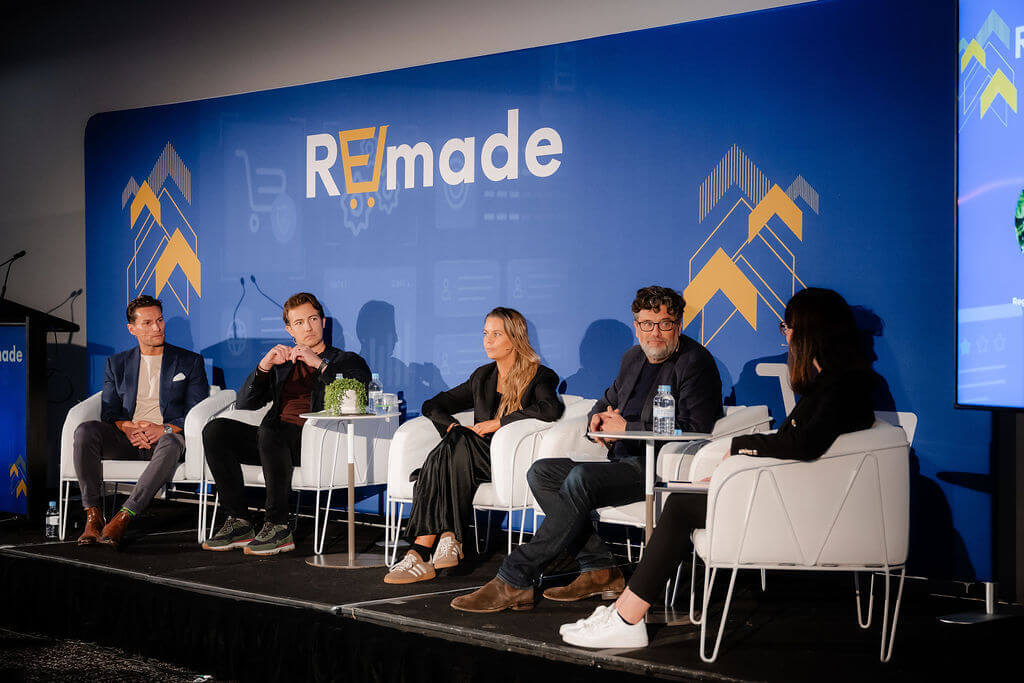
At Mumbrella’s REmade event in Australia this month, Broadsign joined JB Hi-Fi, a leading Australian consumer electronics retailer, Retail Media Works, a retail media consultancy, and Criteo, a global commerce media company, on stage to unpack what it takes to build a retail media network that connects the physical store with the wider shopper journey.
With more than 200 stores forming its retail media network, JB Hi-Fi is taking a distinctly “hyperphysical” approach, exploring how its stores can create value for shoppers, suppliers and advertisers while staying true to the experience that makes the retailer unique.
The conversation offered a look at where in-store retail media is heading, and more importantly, what retailers need to consider as they build and grow their networks.
Start with the shopper
For JB Hi-Fi, retail media starts with the store itself. Scott Browning, General Manager, Strategy & Insights at JB Hi-Fi, spoke about the role the physical store has always played in the brand and the importance of keeping the customer experience at the centre of its retail media strategy.
“The store has always been the face of the brand. The website is actually the hidden face of the brand because you actually don’t see it in the real world until you arrive.”
That perspective is central to how JB Hi-Fi approaches retail media. The opportunity isn’t simply to add advertising to an existing retail environment. It is to understand how media can work within that environment in a way that feels natural to the shopper and stays true to the brand.
As Scott put it: “The way in which we position our brand, the way in which JB Hi-Fi is famous for what it does, we have to make sure that authenticity still comes through.”
That means thinking about the store as more than a collection of screens. It is a physical environment with its own customer journey, context and moments where media can add value. For JB Hi-Fi, retail media needs to build on that experience, not compete with it.
The screen is only the starting point
One of the key themes from the discussion was that creating an in-store media network requires more than installing digital screens. As Ben Allman, VP Platform Sales at Broadsign, explained, the physical screen itself doesn’t necessarily need to change. What changes is what happens behind it.
For a retailer operating hundreds of stores, that means having the infrastructure to manage inventory, campaigns, priorities and reporting across the network, while also being able to tailor content and campaigns to different locations and audiences. All while supporting the day-to-day needs of the retail business.
For JB Hi-Fi, the Broadsign Platform provides the technology to manage its in-store media environment across more than 200 stores. This allows the retailer to build on its existing digital footprint and bring those screens into a broader retail media network, rather than treating retail media as a completely separate business.
Measurement is key to making in-store a media channel
Another major theme of the conversation was measurement. As in-store media continues to grow, retailers need to give advertisers greater visibility into what they’re buying and how their campaigns deliver. That means bringing more accountability and measurability that advertisers expect from other media channels into the physical store.
The panel discussed the opportunity to make the store increasingly behave like a digital environment from a measurement perspective, while recognizing that measuring physical environments comes with its own considerations.
For JB Hi-Fi, this is part of building a network that can offer meaningful value to suppliers and advertisers while creating a better understanding of how media performs within the shopping environment.
Retail media goes beyond digital screens
The conversation also expanded beyond digital signage. Static placements, physical store assets, sponsored search, online channels and off-site media can all play a role in the broader retail media ecosystem.
That creates an important opportunity for retailers: rather than defining their media network around a particular format, they can think about how different touchpoints work together across the shopper journey.
For JB Hi-Fi, its physical footprint is a significant part of that opportunity. The store can work alongside digital channels to create a more connected experience for shoppers and more opportunities for brands to engage them.
Build, test and learn
Perhaps one of the most practical takeaways from the discussion was that retail media networks don’t need to be built perfectly from day one.
The panel spoke about the importance of testing, learning what works in the physical environment and evolving the offering based on shopper and advertiser needs. That mindset is particularly important as retailers continue to establish what in-store retail media looks like within their own businesses. Every store environment is different, and the most effective approach needs to reflect the retailer, its shoppers and its commercial model.
JB Hi-Fi’s approach is a strong example of this in action: taking an established physical network and building the media capabilities around it, while continuing to learn and evolve.
Looking ahead to the next phase of in-store retail media
The conversation at REmade made one thing clear: the future of retail media isn’t about choosing between physical and digital. It’s about connecting the two.
JB Hi-Fi is showing what that can look like in practice by bringing its physical stores into a broader retail media strategy, while keeping the shopper experience at the centre.
For Broadsign, we’re proud to support that journey by providing the technology infrastructure behind JB Hi-Fi’s in-store network and helping bring its vision for retail media to life across its stores.
Interested in turning your in-store environment into a measurable media channel? Connect with our team to see how Broadsign helps retailers grow their in-store media networks while keeping the shopper experience front and centre.