Product News | October 11, 2021

Retail media networks 101: What they are & why they matter
Imagine you’re a brand looking to engage shoppers at the exact moment they’re considering a purchase — or a retailer eager to turn first-party shopper data into new revenue streams. Retail media networks (RMNs) make both possible.

So, what is an RMN exactly? A retail media network is an advertising platform that allows retailers to sell ad space across their owned media channels — both onsite, offsite, and in-store — to brands looking to reach high-intent shoppers. This includes everything from sponsored search ads on retailer websites and apps to in-store digital displays and point-of-sale promotions. By leveraging first-party data, retailers can provide precise targeting while unlocking new monetization opportunities. And brands gain a highly effective way to reach shoppers at the point of purchase with relevant, data-driven ads.

In this article, we’ll break down what retail media is, how retail media networks work, and why they matter for both retailers and advertisers.

Jump to:

What is retail media? Understanding the bigger picture

While retail media and retail media networks (RMNs) are closely related, they aren’t the same thing. 

Retail media = any advertising within a retailer’s ecosystem.

This includes in-store advertising methods like digital signage, in-store radio, and point-of-sale promotions, as well as online strategies such as sponsored product listings and display ads on retailer websites and apps.

Retail media networks (RMNs) = the monetization platform behind retail media.

A retail media network is the formal system that allows retailers to sell ad space to brands. RMNs provide the infrastructure, data, and ad inventory that make retail media possible.

Retail media vs. commerce media

Retail media is also part of a larger digital advertising movement known as commerce media. While retail media focuses on advertising within a retailer’s ecosystem, commerce media extends that approach across the entire digital commerce landscape.

📌 Why this matters:

Commerce media connects the full shopper journey — allowing brands to reach consumers before, during, and after their purchases. As the retail media space evolves, many retailers are expanding their offerings to become full commerce media platforms, helping brands engage with shoppers across multiple digital environments.
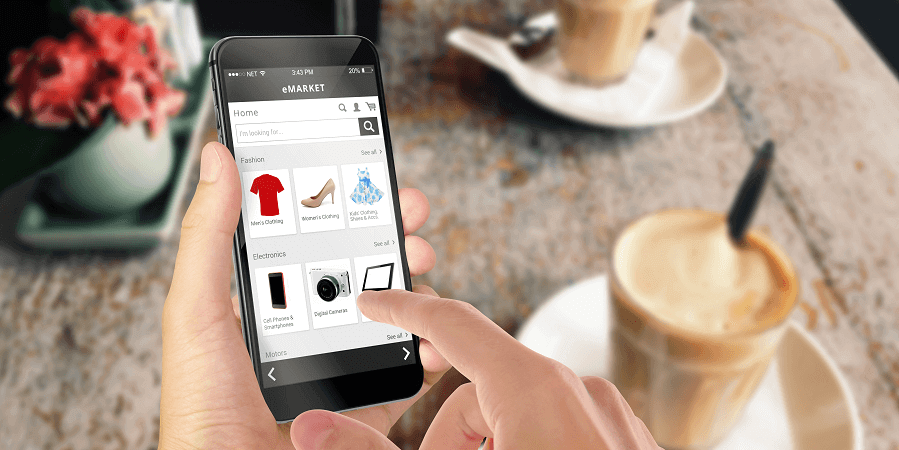
Retailers are expanding across digital environments

Why retail media networks matter (Key benefits for retailers & advertisers)

Retail media networks are changing how brands and retailers connect with shoppers, creating highly targeted, data-driven advertising opportunities at the point of purchase. As brands shift more of their ad spend to retail media — with global retail media ad spend projected to surpass US$177 billion in 2025 — RMNs are emerging as one of the fastest-growing segments in digital advertising.

This rapid growth is reshaping the relationship between retailers and advertisers, offering new ways to leverage privacy-compliant data, optimize ad reach, and influence purchasing decisions in real-time. Here’s why RMNs are becoming a must-have strategy for both in 2025:

For retailers: A win-win opportunity

Retail media isn’t just about ads — it’s about smarter, more profitable retail. Here’s how retailers benefit:

  • Enhanced customer experience: Retail media doesn’t just benefit retailers and advertisers — it also improves the shopping journey for customers. Personalized promotions and targeted messaging shown on in-store displays help enhance the in-store retail experience, while well-placed online ads make it easier for shoppers to discover relevant products, access timely deals, and enjoy a more seamless path to purchase across both digital and physical retail environments.
  • Increased basket sizes: Well-timed messaging can influence last-minute purchasing decisions, prompting shoppers to add more to their carts. Strategically placed product promotions near checkout highlight relevant add-ons, limited-time offers, and value packs that might have otherwise gone unnoticed. By seamlessly integrating these prompts into the shopping journey, retailers can increase average order value and maximize sales opportunities.
  • New revenue streams: By selling ad space across their websites, apps, and in-store digital displays, retailers can generate high-margin advertising revenue — between 70% and 90%, according to BCG — alongside traditional product sales. Insights gleaned from their first-party shopper data make these (and any off-site) ad placements even more valuable, enabling brands to reach highly targeted audiences in a privacy-compliant way. As brands shift more ad spend to retail media, retailers that capitalize on this demand can drive significant new revenue while strengthening partnerships with advertisers.

READ ALSO: Learn how to influence add-to-cart moments with an in-store digital media channel, featuring strategies and key takeaways from our live webinar.

For brands: Reaching shoppers at the right moment

For advertisers, RMNs offer something digital ads often struggle with: direct access to ready-to-buy consumers. This allows brands to benefit from:

  • Higher purchase intent: Ads appear when shoppers are actively looking for products, making them more effective and increasing the likelihood of conversion.
  • Precision targeting with first-party data: RMNs provide privacy-compliant insights, helping brands serve more relevant ads and refine their audience strategies. 
  • Measurable ad performance: Unlike traditional ads, RMNs offer closed-loop measurement, so brands can track sales directly linked to their campaigns. 

READ ALSO: Get a better understanding of why in-store signage advertising belongs in every brand’s retail media strategy

As RMNs continue to grow, they’re proving to be a must-have for both retailers and brands looking to maximize revenue, improve customer engagement, and drive measurable results.
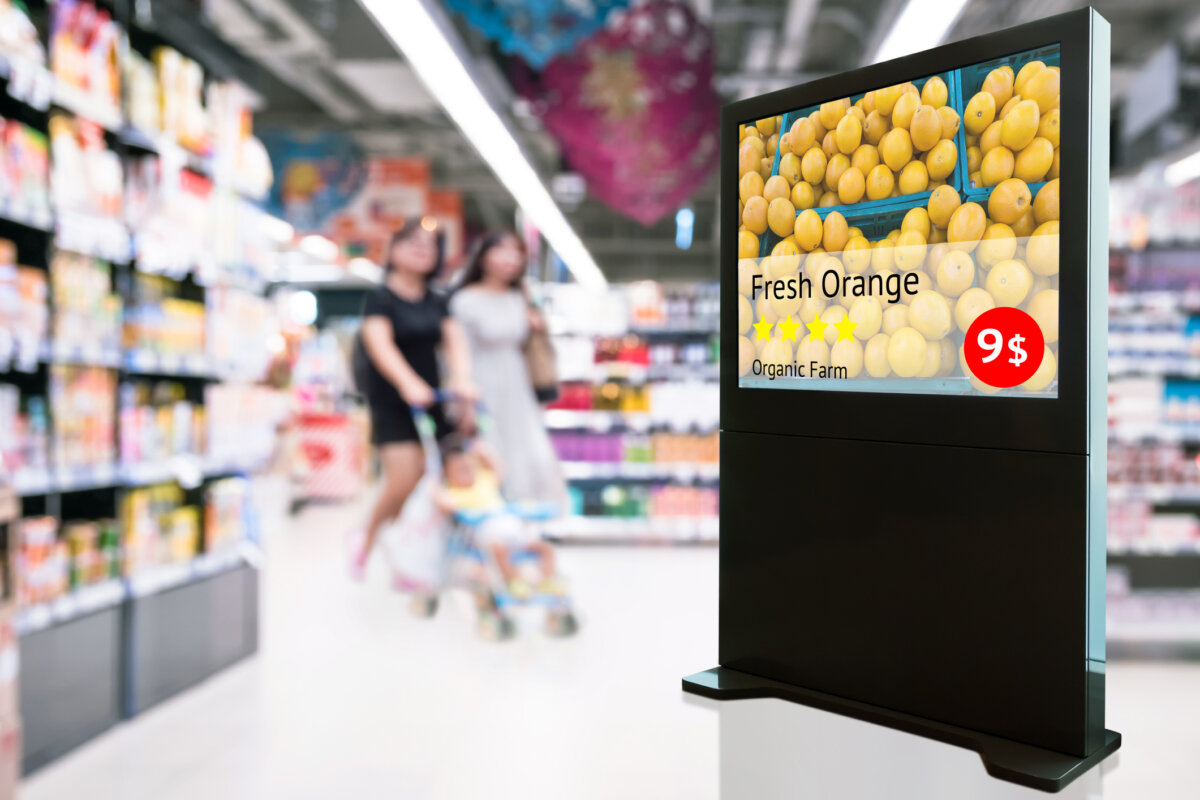
In-store advertising turns shopping into memorable experiences

How RMNs work: Key players & their roles (RMN ecosystem)

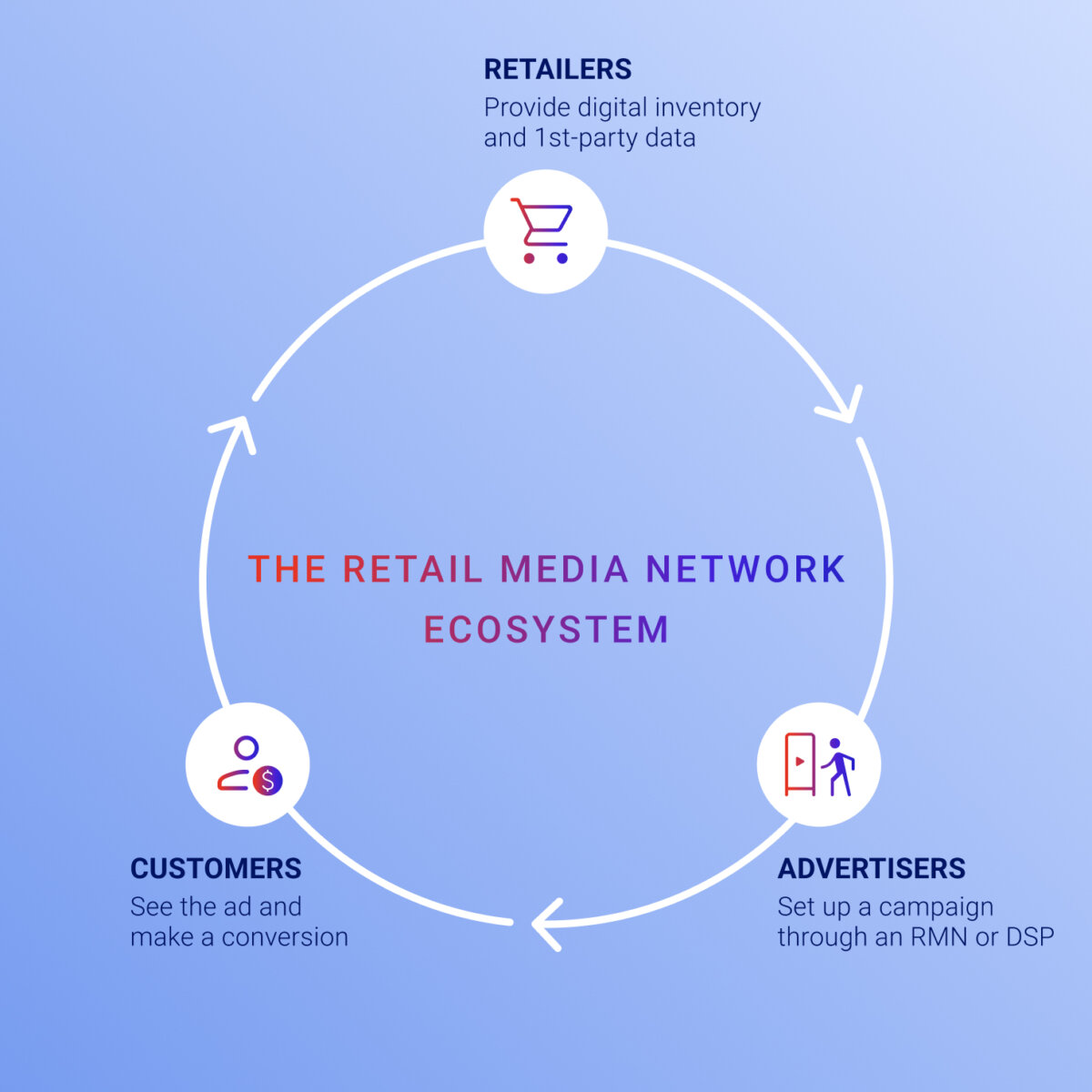
Retail media networks don’t operate in a vacuum. They rely on a collaborative ecosystem of key stakeholders — all working together to deliver relevant, data-driven advertising that benefits everyone involved. Here’s a quick overview of who’s involved and how RMN advertising works:

  • Retailers create and manage the RMN, selling ad space across their digital and physical stores.
  • Brands and advertisers purchase these placements to promote their products to high-intent shoppers at key moments in their purchase journey.
  • Technology providers enable automation, measurement, and optimization to ensure seamless ad delivery and performance tracking via retail media platforms, ensuring ads reach the right audience at the right time.
Retail media ad formats & real-world examples

As RMNs grow, brands have more opportunities to connect with high-intent shoppers at key moments. Whether through in-store digital displays, sponsored search ads, or off-site campaigns, retail media offers targeted, data-driven advertising that enhances the shopping experience while driving measurable results.

Types of retail media advertising

Retail media comes in a variety of ad formats, depending on where shoppers interact with the brand:

1. Digital retail media (on-site advertising)

Retailers monetize their websites and apps much like traditional publishers, offering brands premium ad placements where shoppers actively search and browse.

Key digital retail media formats include:

  • Sponsored search ads: Paid placements that appear when shoppers search for products.
  • Display ads: Banner ads on a retailer’s website or app, either promoting their own products or paid for by external brands.
  • Video ads: Short ads featured on product pages, retailer apps, or even live-streamed shopping events.
2. Off-site retail media (beyond retailer ecosystems)

Retailers extend ad reach beyond their owned properties, placing brand ads across third-party websites, social media, and programmatic networks — all powered by first-party shopper data.

Off-site retail media formats typically include:

  • Social media & programmatic advertising: Retailers use shopper data to target ads on platforms like Instagram and YouTube.
  • Retailer-driven display/video ads: Placed on external websites and apps but still leveraging retailer data.

For example, Target’s retail media network, Roundel, leverages the big-box retailer’s first-party shopper data to deliver highly targeted ads beyond Target’s owned properties. Brands can reach Target shoppers across third-party websites, social media, and programmatic networks, keeping engagement strong and driving traffic back to Target’s stores and digital channels.

📌 Key distinction from commerce media:

Off-site retail media is controlled and sold by a retailer — even though the ad appears elsewhere. Commerce media, on the other hand, is broader, allowing brands to use retailer data but not necessarily purchasing the ad space from the retailer itself.

3. In-store retail media

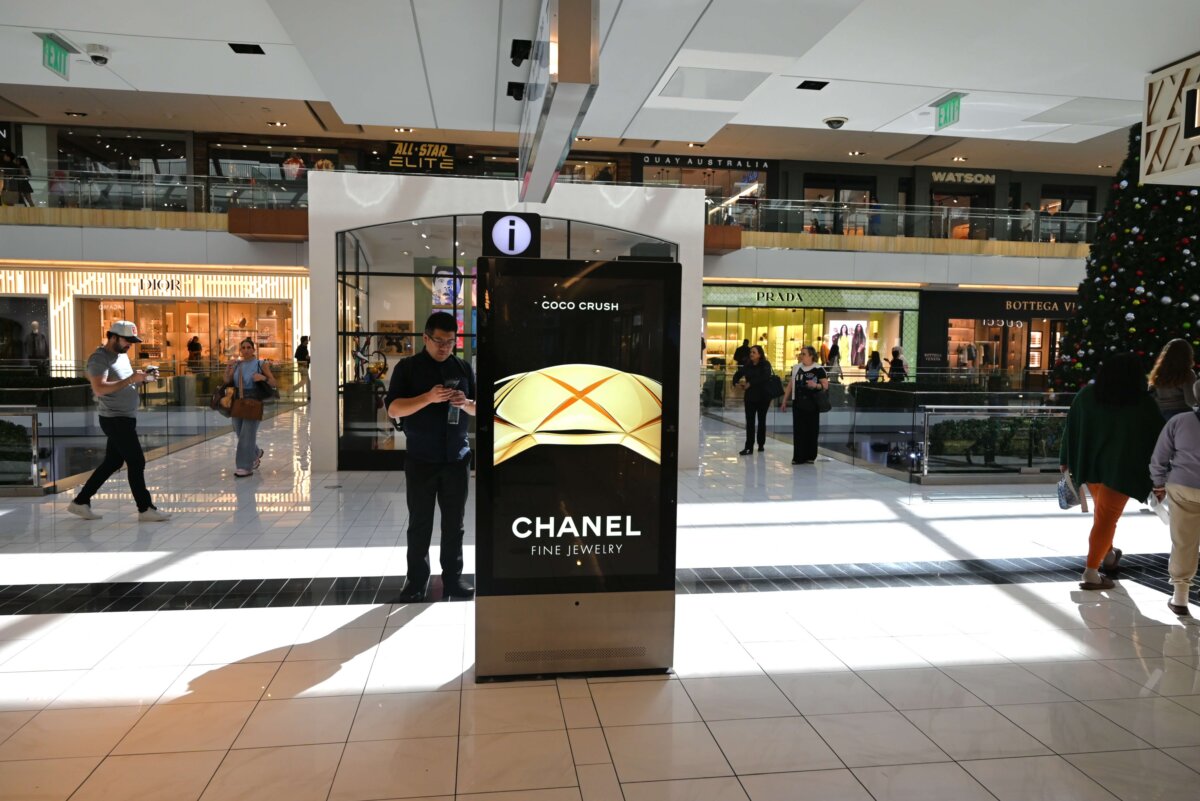
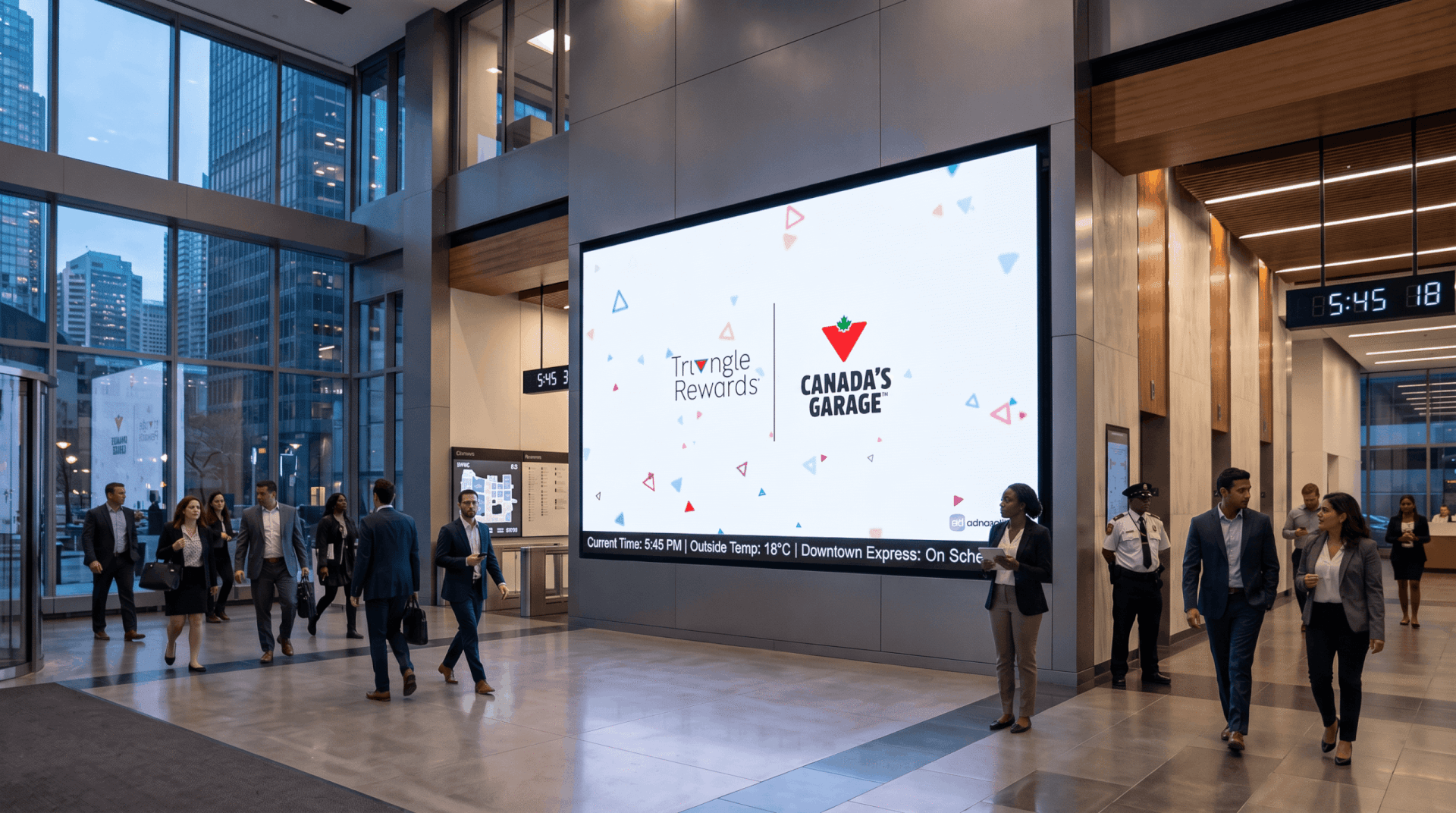
Forward-thinking retailers are transforming their physical stores into dynamic ad environments, giving brands the chance to engage shoppers and influence purchasing decisions at key moments in the buying journey. 

Common in-store retail media formats include:

Walmart’s in-store advertising solutions help brands stay top-of-mind by engaging shoppers at key moments in their journey. With a nationwide network of in-store TV screens, targeted self-checkout ads, and in-store audio placements, advertisers can seamlessly capture attention and drive influence where purchase decisions happen.

By integrating a strategic mix of retail media formats into their RMN, retailers can maximize advertising revenue while enhancing the customer shopping experience — whether online, in-store, or beyond. At the same time, brands gain valuable opportunities to stay top of mind and influence shoppers at key moments, from discovery to checkout.

READ ALSO: Learn how in-store and online retail media shape consumer shopping behavior and why multi-brand retailers can’t afford to overlook in-store digital marketing networks.
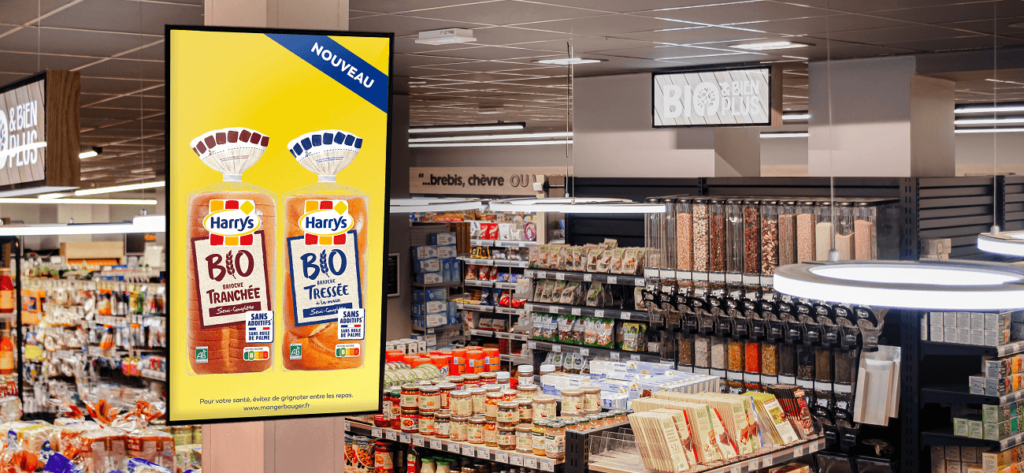
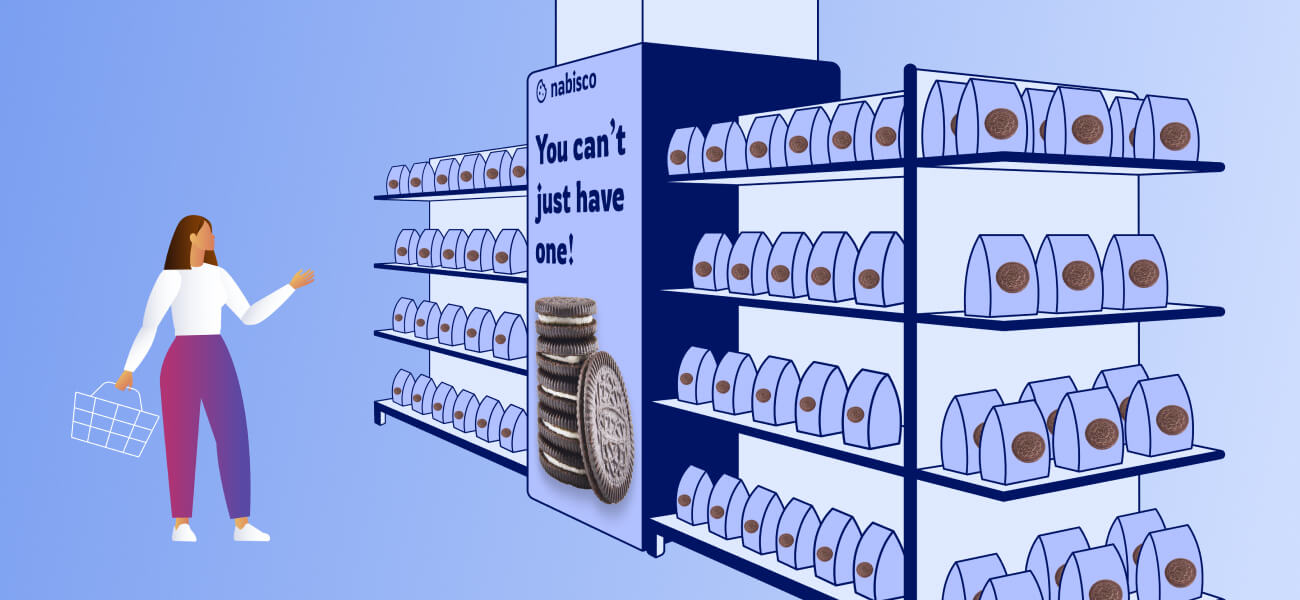
In-store retail media advertising can promote special offers to boost sales

As RMNs evolve, proven out-of-home (OOH) strategies like audience targeting, engagement, and measurement are driving the future of retail media — particularly through retail digital signage solutions that enhance in-store engagement and ad impact.

By integrating these solutions into a broader RMN strategy, retailers can unlock new revenue streams, enhance the shopping journey, and maximize the value of their first-party data. At the same time, brands gain a powerful way to connect with high-intent shoppers at the point of purchase. From sponsored search and display ads to in-store digital activations, retail media offers a highly targeted and measurable advertising channel that’s only continuing to grow.

Want to make the most of your retail media strategy?

Explore our latest RMN insights and best practices for building, scaling, and maximizing the impact of a retail media network — whether you’re a retailer monetizing your media assets or a brand investing in RMNs. 
Product News | October 11, 2021

Broadsign’s Sell-Side AI Agent Joins With Global Netherlands and Draft Digital to Deliver First-Ever End-to-End Agentic AI-Powered OOH Campaign

Collaboration paves the way to faster, more automated, and data-driven OOH buys

MONTREAL (May 27, 2026) –  Broadsign, the leading global platform for managing and monetizing out-of-home (OOH) media, today announced that its sell-side AI agent and digital marketing agency Draft Digital’s buy-side agent, planned, booked, and executed the first-ever fully agentic AI OOH ad campaign. The agentic AI solutions enabled the end-to-end media buy for Lot of Happiness on premium OOH inventory in collaboration with media owner Global Netherlands

Agentic AI powered the buy from beginning to end, using the brand’s campaign goals to inform audience and venue targeting, media selection, campaign setup, creative workflow and approvals, and execution. The AI agentic solutions used the AdCP protocol and Broadsign’s industry-leading OOH sell-side technology and data infrastructure. Moving beyond chatbots layered over existing tools, the collaboration proved the power of agentic AI in enhancing the effectiveness and efficiency of OOH campaigns from start to finish. Together, the buy and sell-side agents rapidly coordinated complex tasks across parties, with human oversight and guardrails.

With the largest global OOH media supply – including the largest aggregation of video-enabled displays, in-store media, and on-screen cinema inventory – Broadsign’s goal with this campaign is to unlock the power of agentic trading for OOH. The company is committed to bringing greater scale, data, and efficiency to buyers and opening up more demand for sellers. 

“Agentic AI allows us to double down on our value proposition of leveraging technology to support media owners in achieving their business goals,” explained Bryan Mongeau, CTO, Broadsign. “Overlaying AI atop our global static and digital OOH supply, in concert with advanced data and execution capabilities, such as screen-level audience indexes, dynamic creative, guaranteed in-advance buying, and more, sets the stage for a paradigm shift that will transform the OOH business. This innovative collaboration is only the beginning.”

“A number of us at Draft Digital were early adopters of programmatic DOOH years ago, so being first to move on this next leap, fully agentic OOH, is genuinely exciting. Agentic advertising lets us build true multichannel experiences for our clients, backed by first-party performance data and a much cleaner ecosystem,” shared Aliks Röling, Digital Marketing Consultant, Draft Digital. “It pushes us into tighter collaboration with quality publishers and partners and ultimately delivers sharper strategic impact for brands like Lot of Happiness.”

As a growing charity lottery with around 100,000 participants and over €50 million donated to good causes, Lot of Happiness is always looking for smarter ways to expand its reach. Without the media budgets of larger lottery players, the organization relies on creativity and innovation to fuel its growth. “As a growing organization, we have to be creative and find efficiencies that larger players simply take for granted. Agentic DOOH is one of those opportunities where we want to be at the forefront, and we’re excited to see where it takes us.” Leo Nijs, Online Marketer, Lot of Happiness

“In today’s competitive media landscape, digital out-of-home must be as easy to discover, plan, buy, and measure as any other channel, and this collaboration proves it’s possible,” said Mink Zwolsman, Business Development Director, Global Netherlands. “What excites us most is that no single party could have done this alone. By combining Broadsign’s infrastructure with buy-side intelligence, Draft Digital’s ambition and our diverse digital out-of-home offering, we’ve shown that outdoor can be planned, bought, and activated with the same speed and data-driven precision as any digital channel. For Global Netherlands, this is a meaningful step toward making our inventory more accessible to buyers who want seamless, omnichannel campaigns and we’ve only just begun to uncover the advantages.”

Marketers and media owners looking to learn more about Broadsign’s sell-side agentic solution can get in touch with the company

About Broadsign

Broadsign develops the leading global platform for managing and monetizing out-of-home (OOH) media. The company, which also operates Place Exchange by Broadsign, the largest independent SSP for Digital OOH, empowers media owners, media buyers, and retailers to harness the power and reach of out-of-home to connect with audiences in ways unlike any other advertising channel. More than 2.8 million static and digital signs along roadways and in airports, shopping malls, grocery and convenience stores, health clinics, transit systems, and more run on Broadsign. https://broadsign.com

About Draft Digital

At Draft Digital, we are setting the new standard in marketing and media. We believe that standing still is falling behind; an organization that isn’t growing is already losing. Built on a foundation of relevance and trust, we guide clients through a digital journey that never ends. We are leading the transition to Agentic Advertising, where intelligent Agents handle the operational burden of media buying. This shifts our focus from execution to pure strategy and innovation. By merging classic marketing theory with AI, we deliver scalable creativity and perfected measurement. We are not just service providers; we are the architects of digital growth.

About Global Netherlands

Global is a media operator and market leader in the (Digital) Out-of-Home sector, offering advertisers the opportunity to advertise in high streets, supermarkets, shopping centres, at railway stations, petrol stations and along motorways. With a nationwide digital network, Global meets advertisers’ needs to reach their target audience at precise times and locations. Thanks to these exclusive concessions across these diverse networks, advertisers can reach the masses or, conversely, target specific audiences very precisely in a wide variety of locations.

About Lot of Happiness

We believe in a better world for everyone. Charities, both big and small, drive this mission, they all deserve our support. By playing in our lottery, we together contribute to their missions. Playing = impact. You choose which charity receives half of your contribution. We are flexible: you decide how often you play and with what amount. This makes Lot of Happiness the lottery where your voice counts and your impact is big. And you can win fantastic prizes, from €1 million in the bank to a brand-new electric cargo bike. A true win-win. 

Product News | October 11, 2021

How Osmow’s achieved a 33.9% lift in restaurant visits with programmatic DOOH

To support its next phase of national growth, Osmow’s, a leader in the Canadian quick-service restaurant (QSR) space, launched a high-impact programmatic digital out-of-home (pDOOH) campaign to reach its target audience at scale. Specializing in modern Middle Eastern and Mediterranean cuisine, the brand sought to strengthen its position as a category leader and drive measurable foot traffic to restaurant locations across the country.

Objective

The campaign aimed to increase brand awareness and category share for Osmow’s, leveraging three tailored executions to support its diverse product offering. A core objective was to drive in-restaurant visits across urban, suburban, and rural markets, while positioning the brand as a value leader during the competitive post-holiday period.

Strategy

Osmow’s partnered with Involved Media and Broadsign to launch a data-driven programmatic digital out-of-home (pDOOH) campaign, activating premium inventory across 4,912 screens. The campaign leveraged a diverse mix of placements, including large-format billboards, transit shelters, and campus screens, to deliver broad reach and sustained frequency.

Using the OutMoove DSP, the campaign employed programmatic triggers to engage consumers at high-intent moments throughout their daily routines. To maximize relevance and efficiency, ads were programmatically dayparted to peak during lunch (11 am–2 pm) and dinner (5 pm–7 pm) consideration windows. By utilizing proximity targeting near restaurant locations across Canada, the campaign ensured that tailored messaging reached audiences at the moment of choice.

Results

  • Foot Traffic Lift: Achieved a 33.9% lift in visits across 30 restaurant locations compared to the non-exposed control group
  • Sales Impact: Delivered a 5% contribution to total sales throughout the campaign period

“With over 240 locations, we are always looking for ways Osmow’s can stay top-of-mind while driving traffic to restaurants. Programmatic DOOH gave us the flexibility to do both at once. We were able to maintain a massive presence across the country, but with the additional layer of dayparting and proximity tools needed to reach the right people during the key lunch and dinner windows. It’s been a very effective way to bridge our digital strategy with the physical restaurant locations,” says Effie Ambida, Director Strategy & Planning at Involved Media.

Want the campaign highlights? Check out the infographic below.

Product News | October 11, 2021

Best practices for high-impact out-of-home creative

The out-of-home (OOH) ads that stop people in their tracks, spark awareness, and drive action all share a common thread: they’re built on proven creative principles shaped by real-world testing and what works in today’s evolving OOH landscape.

Effective OOH creative relies on bold design, minimal text, and clear branding. But what works on a static highway billboard may not have the same impact on a digital out-of-home (DOOH) screen or a crowded subway platform at rush hour.

That’s what makes OOH unique. It reaches audiences as they move through real-world environments like airports, malls, roadways, and city centres across both static formats and dynamic, data-driven digital displays, offering far more creative flexibility than the medium often gets credit for.

This guide explores the OOH and DOOH creative strategies that consistently deliver results before you plan your next campaign.

OOH creative fundamentals

When developing the creative for an OOH ad, there are core principles to keep in mind.

  • Define your goals: What does the ad wish to accomplish? Is the aim to drive in-store traffic? Stand out from competitors? Remind existing customers of an ongoing promotion? A firm strategy narrows the focus and clarifies the message. 
  • Be bold: Most out-of-home ads have only seconds to reach audiences. When producing OOH or DOOH creative, employ boldness to stand out.
  • Keep it simple: A less-is-more approach is typically most effective. Messaging should be clear, direct, and to the point. 
  • Let brand personality shine: Use humour, surprise, intrigue, even edginess to amplify your message. 
  • Context is key: think about how your creative fits into its surroundings. Incorporating messaging that speaks to current events or relates to live data can boost performance and turn your ad from informative to innovative.

Think Design

Great OOH design is built for how people experience it. In fast-moving environments, you have seconds to make an impression, so clarity and visibility matter more than complexity.

At its core, effective design comes down to a few essentials:

  • High-contrast colours that cut through busy surroundings
  • Simple, focused layouts that are easy to process at a glance
  • Bold, recognizable imagery paired with clean, legible type
KFC’s bold, recognizable imagery makes this billboard instantly identifiable

Context matters just as much as design. What works on a roadside billboard viewed at speed won’t translate the same way to a street-level or place-based screen where dwell time is longer. Simpler creative performs better at a distance, while closer environments allow for more detail, as long as clarity isn’t compromised.

And while best practices exist for a reason, they are not rules. Intentionally breaking them can be just as effective when done with purpose.

Get the Specs Right

Even the strongest creative can fall flat if it is not built for the screen. OOH and DOOH formats vary widely across billboards, transit shelters, retail environments, and place-based networks, each with different dimensions, orientations, and file requirements.

A few fundamentals to keep in mind:

  • Design for both vertical and horizontal formats so layouts translate cleanly across environments
  • Stick to supported file types like JPG or PNG for static, and MP4 or HTML for digital placements
  • Keep file sizes within recommended limits to ensure smooth delivery and playback
  • Always build with the final screen size and placement in mind to avoid cropping or distortion

Below are some of the most common specs for digital and video displays in the US. 

Most Common Display Sizes:

  • 1920 x 1080
  • 1080 x 1920
  • 1400 x 400
  • 840 x 400

Most Common Video Sizes (15-Second):

  • 1920 x 1080
  • 1080 x 1920
  • 1400 x 400 
  • 1280 x 960

For more guidelines on proper format sizes, read our Best Practices Guide: How to create DOOH campaigns that get results

READ ALSO: Our favourite OOH and Billboard Ads of 2025

Let’s talk about text

It’s not just about what you’re saying, but how you’re saying it: typeface and formatting contribute to how the ad, and its messaging, are received. 

  • Large, bold typeface is easier for people to read, especially from a distance
  • Avoid thin or serif typefaces, which can be harder to read 
  • Proper spacing between letters, words, and lines will help improve readability and visibility
  • Keep the copy short and sweet, and limit messaging to five to seven words
  • Stick to one simple, direct message and call-to-action 
  Viewing Distance  Minimum Readable Text Height 
  5’ – 50’  1” – 2”   (72px – 144px @ 72dpi)
  50’ – 100’  2” – 4”   (144px – 288px @ 72dpi)
  100’ – 200’  4” – 8”   (288px – 576px @ 72dpi)
Virgin Active’s OOH display delivers big impact with minimal text

Video creatives

A recent study found that full-motion video OOH ads drive a 65% increase in “intent to learn more” compared to static creative, along with a 41% lift in perceived relevance, clear indicators of stronger audience consideration.

That’s why incorporating motion into your digital content is such a powerful way to capture attention. In most environments, videos should run no longer than 10-15 seconds; however, longer videos can be impactful for audiences in specific venue types with longer dwell times, like gyms, doctors’ offices, or bars.

Note: Place Exchange by Broadsign can seamlessly adapt social media and in-app vertical video creatives for portrait-mode screens, so you can get maximum value from a single video. 

Creating personalized and dynamic content

When vying for a consumer’s attention, optimizing a digital out-of-home campaign with Dynamic Creative Optimization (DCO) can be the x-factor in reaching target audiences. 

DCO means adjusting and optimizing DOOH ads for real-world contexts and environments, pulling data to deliver ads in response to current events or trends, such as the weather, sports scores, financial markets, audience profiles, or other nearby events or relevant information. 

With DCO, ads can deliver more personalized experiences and stronger audience relevance. In fact, according to the OAAA and The Harris Poll, 81% of respondents exposed to weather-triggered ads featuring relevant product offers found them valuable. Thinking about where your ad will live along the consumer’s journey, and in what context, is an opportunity to create a high-impact ad that resonates with your target audience. 

To create a high-impact ad, thread in creative that responds to live signals like time of day, weather, audience demographics or current events for a more targeted activation that reaches audiences at key moments.

Some ideas include:

  • Modify messaging based on relevant data inputs (e.g., weather, sports scores, etc.): Entice customers on rainy days to pop by for a warm cup of coffee, or advertise air conditioning units on extremely hot days, display sports scores during high-ticket events.
  • Schedule time-sensitive or product-specific promotions 
  • Incorporate daily countdowns for popular movies or big events with universal appeal 
McDonald’s weather-triggered OOH campaign in Qatar

Tracking and measurement

Knowing how your current campaign performs is crucial for planning the next. Use ID markers like QR codes, SMS messages, short-link URLs, hashtags, emails, or phone numbers to track and measure your ad’s performance. Adding a Call to Action (CTA) to your creatives can enable you to directly track “click-through” response to your OOH creative.

The winning formula for an out-of-home ad that gets noticed and delivers on ROI is to combine brand-safe creativity, outside-the-box thinking, and contextual relevance. With these OOH creative best practices in your toolkit, you can successfully create an ad that stands out.

Ready to launch a high-impact, creative out-of-home campaign that delivers results? Browse our inventory catalog to see the complete network of high-impact digital screens available. 

Product News | October 11, 2021

De’Longhi drives 121% lift in brand preference with programmatic DOOH

To strengthen its position as a leader in premium home coffee experiences, De’Longhi partnered with Broadsign to launch a programmatic digital out-of-home (pDOOH) campaign across Poland during the competitive holiday shopping season.

Objective

The campaign aimed to move audiences from brand awareness to purchase intent, positioning the Eletta Explore as the preferred choice for holiday gifting in a competitive retail landscape.

Strategy

In collaboration with agency partner Salestube PL, the campaign used the OutMoove DSP to activate premium pDOOH inventory across major Polish markets, focusing placements exclusively within high-traffic shopping mall environments.

Indoor screens in major shopping malls reached consumers in high-intent environments close to the point of purchase. By concentrating on mall inventory, including spectaculars, concourse screens, and food court displays, the campaign captured the attention of gift-seekers while they were actively browsing and shopping.

Dayparting aligned ad playouts with peak shopping hours, ensuring strong visibility during periods of elevated foot traffic throughout the holiday retail season.

Creative

The campaign featured cinematic video creative starring global brand ambassador Brad Pitt, accompanied by the localized copy: “To nie tylko idealny prezent. To Perfetto” (“It’s not just the perfect gift. It’s Perfetto.”).

By combining a recognizable ambassador with motion-driven creative across high-traffic placements, De’Longhi established a memorable presence during the year’s busiest retail window.

Results

  • 121% Lift in Brand Preference: The campaign achieved a significant increase in brand preference, successfully strengthening De’Longhi’s positioning against key competitors in the premium coffee category.
  • 190% Lift in Intent: The campaign effectively influenced consumer behaviour, delivering nearly a 3X lift in consumer intent to interact with the brand or visit the De’Longhi website.

Want the campaign highlights? Check out the infographic below.