Product News | October 11, 2021

How Oriental Sunrise pushes the envelope with giant digital displays
One of the best qualities of out-of-home media is its unmatched ability to catch attention. Large format billboards and digital displays draw the eye in a way that online and mobile advertising can’t, and offer an amazing canvas on which creative work can be shared with the world.

And that’s just in general. The largest displays take the concept even further, offering true spectacle for all to enjoy. Oriental Sunrise Media Group, which operates a network that includes one of these ultra-large screens, sees them as a special opportunity for connecting with large sections of the population through outdoor media.

sky-high dooh ambitions

Formed in 2011, Oriental Sunrise set its sights on becoming an influential player in the fast-expanding digital out-of-home space in China. Pursuing large-format displays, audience interactivity, and prominent public locations for its screens, Oriental Sunrise has succeeded in achieving high audience traffic near its screens and attracting top brands to display advertising on its network, including names like Audi, Lancôme, Dyson, and Samsung.

asia’s largest outdoor digital display

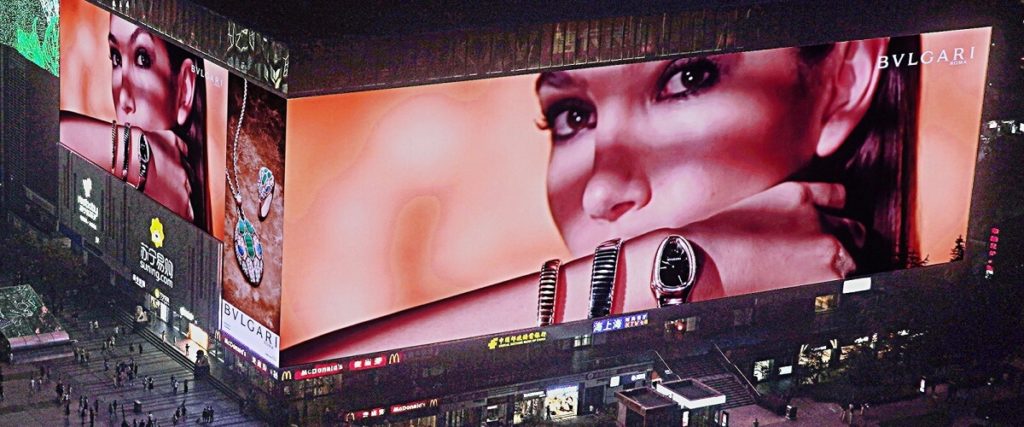
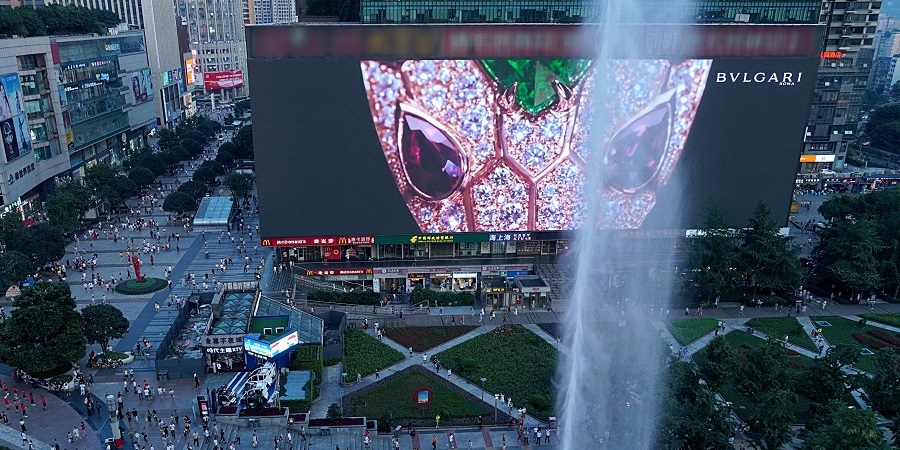
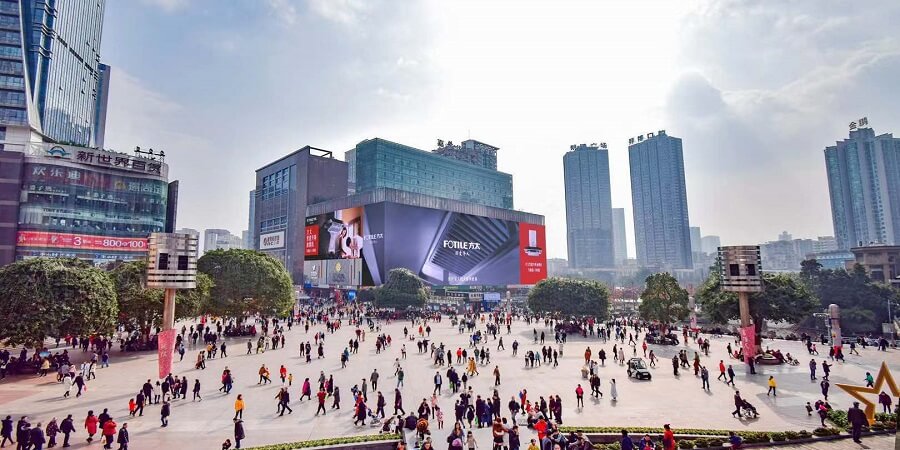
The jewel of Oriental Sunrise’s network is found in Chongqing, a city in China’s south. Its display there is an enormous two-sided, 3,788 square metre screen wrapped around the side of the Chongqing Guanyin Bridge Carnival Building. It’s about the size of nine basketball courts put together, and typically plays host to stunning video content delivered by its advertisers.

Its prominent location, facing Guanyinqiao Square, Jialing Park, and the entrance to an underground pedestrian passage, drives a fair bit of foot traffic by its screens every day, with about 500,000 pedestrians walking by daily. It also faces the city’s busiest main road, with about 350,000 vehicles passing by each day.
 

eyes forward to the future of dooh

As Oriental Sunrise focuses on building its network further, it continues to make premium real estate in bustling business sectors, as well as high levels of local visibility, key requirements for locations where it deploys new screens. Soon to come are new experiments to push the network with new kinds of integrations. This includes projects like synchronizing campaign playback with the performance of nearby fountains and LED lighting, connecting the screens to mobile devices, and other projects that increase the already considerable impact of the screens.
oriental sunrise media group & broadsign

Screens as prominent as Oriental Sunrise Media Group’s largest can’t afford to go down, and what’s more, they come with specific technical challenges that not every software platform is equipped to manage. Synchronizing media across the panels of the screen must be completed flawlessly every time in order to create truly stunning visuals. Meanwhile, integrating outside data feeds, as is required for complex campaigns involving synchronization with fountains and lighting, demands a platform that is able to reliably connect with those services.

To accomplish these tasks, Oriental Sunrise has adopted Broadsign. The Broadsign platform’s unmatched reliability and extensibility make it the perfect solution for managing huge displays and the exciting campaigns that run on them. The open nature of the platform, meanwhile, places practically no limits on the creativity of Oriental Sunrise and its advertisers, allowing the owners to focus on growing their network and delivering the innovative DOOH experience that will build their profile all across China. It’s an ideal pairing, and one likely to lead to exciting things for the Chinese DOOH market.

Ready to kick off your own large-scale DOOH project?
Contact us today to learn how Broadsign can help!
Product News | October 11, 2021

Why in-store retail media is essential to an omnichannel RMN strategy

Retail is no longer defined by individual channels, as consumers move seamlessly between digital and physical environments, they expect a connected, consistent experience at every touchpoint.

Omnichannel retail connects ecommerce, mobile, marketplaces, and physical stores into a single, seamless experience across the customer journey. Shoppers can browse on their phones, check local inventory, receive personalized offers, and complete purchases in-store with consistent pricing and messaging. For retailers, this means unifying customer experience, data, and operations to improve engagement, build loyalty, and drive efficiency.

With 80% of shopping still happening in-store, physical retail continues to play a central role across North America. Rather than just another channel, it acts as a high-impact environment that amplifies the entire retail media mix.

The evolving role of in-store in an omnichannel RMN

As retailers advance their omnichannel strategies, digital channels have taken the lead, driven by stronger targeting, measurement, and automation. At the same time, the physical store is evolving from a point of transaction into a critical moment where digital intent turns into real-world action.

This shift is reflected in retailer priorities, with 46% focused on enhancing omnichannel experiences and 36% investing in loyalty programs to deliver more personalized value, signalling a push to better align data, touchpoints, and customer interactions.

In-store environments sit closest to purchase, where messaging can directly influence decisions from discovery to conversion. Yet they often remain disconnected from broader retail media efforts, limiting true omnichannel alignment.

When fully integrated, in-store media strengthens the entire strategy. It reinforces digital messaging, creates a more consistent experience, and engages shoppers at the moments that matter most. By linking in-store environments with signals like online behaviour, purchase history, and audience data, retailers can move from isolated tactics to coordinated, full-funnel execution across onsite, offsite, and in-store.

Technology and data are transforming in-store media

Technology and data are transforming in-store media into a more measurable, responsive, and connected part of the retail media ecosystem. Real-time analytics enable retailers to adjust messaging, promotions, and placements based on live shopper behaviour, while dynamic content adapts to context like time of day, location, and audience signals.

Tools like dwell time analysis help identify high- and low-engagement zones, optimizing store layouts and improving both the customer experience and campaign performance. At the same time, more immersive formats, including touchscreens and augmented reality, are increasing engagement, turning stores into active media environments.

The real impact comes from how these capabilities are connected. By combining in-store signals with online behaviour, purchase history, and customer data, retailers can build a more complete view of the customer. This enables more precise targeting, stronger value for brand partners, and coordinated campaign execution across channels, while improving measurement and tying digital engagement to in-store outcomes.

In-store drives more RMN revenue

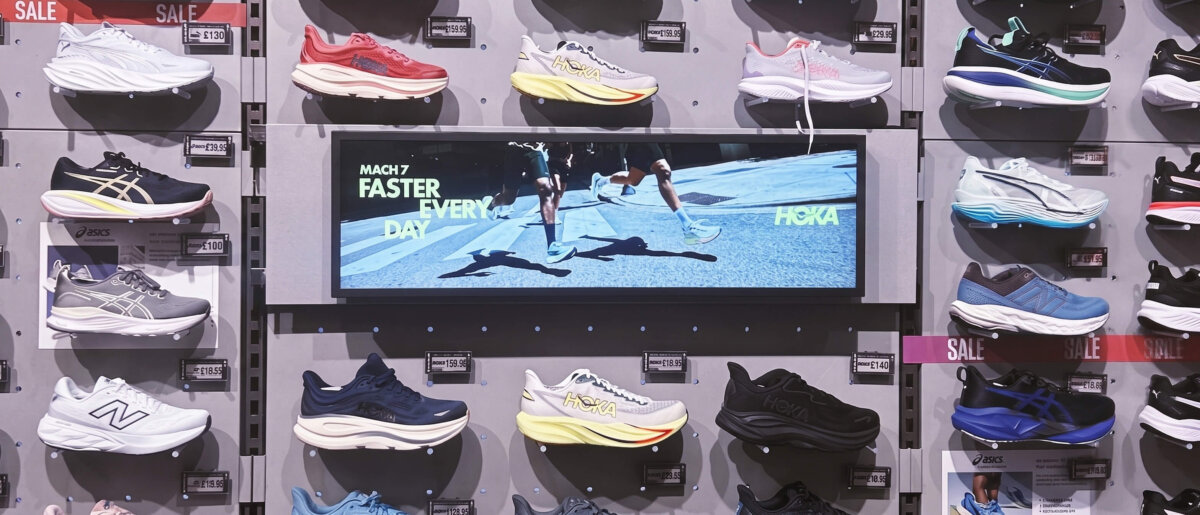
In-store media expands both what retailers can sell and how they sell it. It introduces new, high-intent inventory within owned environments, from digital screens in high-traffic areas to placements tied to specific aisles, categories, and products. Unlike traditional digital formats, this inventory sits at the point of decision, where budgets are often larger and tied more directly to sales outcomes.

It also enables more commercial, retailer-driven monetization models. Beyond standard ad placements, retailers can package sponsored product campaigns, category exclusivity, and seasonal takeovers that align with merchandising priorities. In-store media can also be used to drive private-label visibility, turning media into a lever for margin, not just ad revenue.

Where this becomes more powerful is in how it’s packaged. On its own, in-store is valuable. But when bundled with onsite and offsite media, it allows retailers to move from selling placements to selling outcomes. Campaigns can be positioned around influencing the full path to purchase, which supports larger, more strategic investments from brand partners.

It also changes the economics of measurement. With in-store in the mix, retailers can connect media exposure to actual transactions, strengthening closed-loop attribution and making performance easier to prove. This is increasingly critical as brands scrutinize retail media spend and shift budgets toward channels that demonstrate real impact.

Without in-store, RMNs risk becoming overly reliant on digital formats that are easier to compare and commoditize. With it, they can differentiate through exclusive access to shoppers, richer data, and the ability to influence and measure outcomes at the shelf.

Practical steps to activate in-store in an omnichannel strategy

Operationalizing in-store media within an omnichannel RMN requires the right foundation across data, infrastructure, and activation.

  • Invest in integrated data platforms: Consolidate in-store and digital data to create a unified customer view. Connecting in-store interactions, online behaviour, and purchase history supports better targeting, measurement, and planning, while aligning online, merchant, and retail media teams around shared performance.
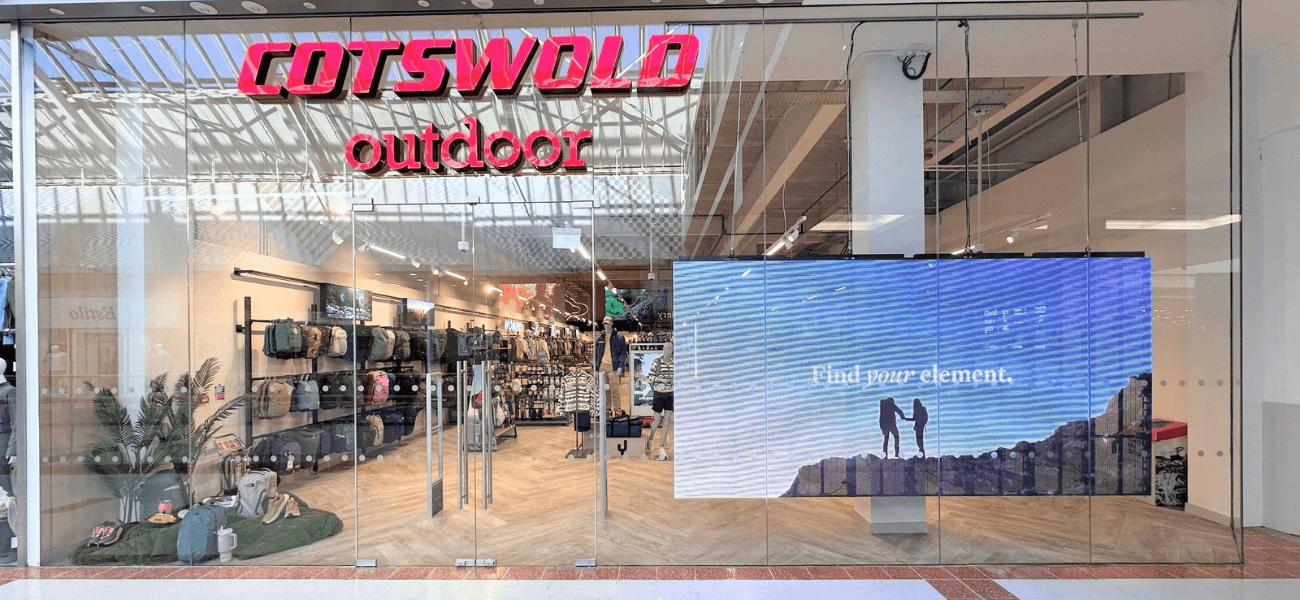
  • Upgrade in-store media infrastructure: Ensure your store environment can support dynamic, scalable media. This includes deploying digital signage and screen networks that can deliver flexible, real-time content across locations and formats.
  • Implement advanced analytics tools: Use analytics to understand how shoppers move, engage, and convert in-store. Insights like dwell time, traffic patterns, and product interaction can inform both media strategy and store optimization.
  • Enable programmatic buying and activation: Integrate in-store inventory into programmatic workflows so buyers can plan, purchase, and activate campaigns alongside other channels. Retailers can activate specific parts of the store (like POS systems, vestibule screens, or gas pumps) to support programmatic demand without introducing competing or misaligned brands. This reduces friction while maintaining control over the in-store experience and aligning with how media is bought today.
  • Continuously monitor and optimize performance: Treat in-store media like any other performance channel. Track results in real time, measure against business outcomes, and refine campaigns based on what is driving engagement and sales.

In-store is the foundation of omnichannel

Omnichannel success depends on connecting every touchpoint into a single, cohesive system, including the store. The path forward is clear: treat in-store as media, not infrastructure. Integrate it into your retail media strategy, connect it to your data and buying workflows, and package it alongside digital channels. Retailers that do this will unlock new revenue, stronger performance, and a more differentiated offering.

Ready to make your in-store signage a seamless part of your RMN? Learn more about how Broadsign can help you unlock the full value of your in-store presence.